How Long Should You Stay Out of the House After an Exterminator Vero Beach FL Treatment

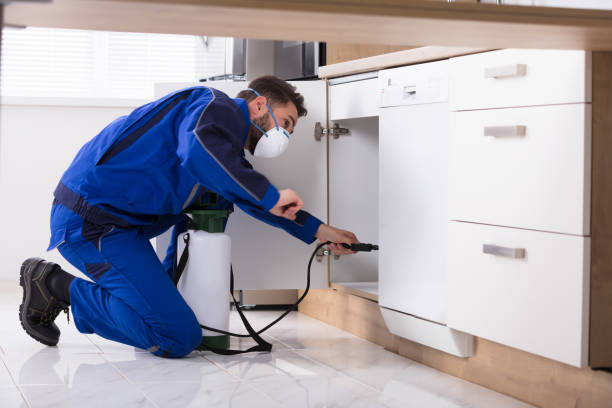
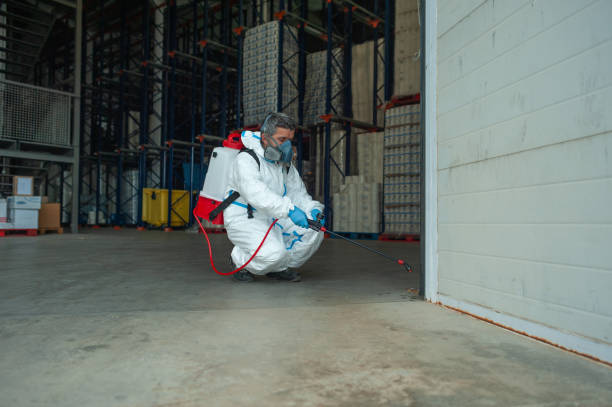
Exterminator Spraying Pesticide In Kitchen Exterminator In Workwear Spraying Pesticide With Sprayer exterminator stock pictures, royalty-free photos & images

After a pest control treatment, ensuring the safety of your household is paramount. One critical question many homeowners ask is how long they should wait before re-entering their home. While the specific time frame can vary depending on the type of treatment used, it is essential to follow professional recommendations to protect both human health and pets.

General Guidelines Based on Treatment Types

Pest Control Method Recommended Waiting Time
Spray Treatments (e.g., insecticides) 2-4 hours
Fumigation (e.g., tenting for termites) 24-72 hours
Gel Bait Application Can return immediately after drying
Organic or Natural Treatments Minimal waiting time, typically 30 minutes to an hour

Factors Influencing Waiting Time

  • Chemicals Used: Some chemicals are more toxic than others and require extended ventilation periods. Always check labels or consult your pest control provider for specifics.
  • Ventilation Requirements: Homes with poor ventilation may need longer periods for airborne pesticides to dissipate safely.
  • Presence of Children and Pets: Young children and pets are more sensitive to chemical residues, so erring on the side of caution is advisable when they are involved.

Why It’s Important to Wait

  • Respiratory irritation from inhaling chemical fumes
  • Allergic reactions or skin irritation from contact with treated surfaces
  • Increased exposure risks for pets, particularly those who groom themselves frequently

Steps to Safely Re-enter Your Home

  1. Confirm With Professionals: Ask your exterminator about specific timelines based on the products used.
  2. Ventilate Thoroughly: Open all windows and doors once you return home to allow fresh air circulation.
  3. Clean High-contact Surfaces (If Necessary): Wipe down countertops, tables, or other areas prone to frequent touch but avoid cleaning treated surfaces unless advised otherwise.
  4. Inspect Pets’ Areas: Check pet beds or feeding zones for any residual chemicals and clean as needed.

By following these precautions and adhering to professional advice, you can maintain a safe environment while enjoying the benefits of effective pest control treatments.

Tips for Preparing Your Home for Vero Beach Pest Control Treatment

Deciding whether to leave your home during a pest control treatment depends on several factors, including the type of pest being addressed, the chemicals or methods being used, and your specific circumstances. Understanding the reasons behind this recommendation can help protect your health and ensure maximum effectiveness of the treatment.

Top Reasons to Consider Vero Beach Pest Removal

  • Exposure to Chemicals: Many pest control treatments involve the use of pesticides or insecticides that, while safe when used properly, can pose health risks if inhaled or ingested in large amounts.
  • Allergy Risks: People with allergies, asthma, or other respiratory conditions may be more sensitive to chemicals used in pest control treatments.
  • Safety for Pets and Children: Young children and pets are more susceptible to the harmful effects of pesticides due to their smaller size and tendency to crawl on treated surfaces.
  • Time for Drying and Settling: Certain liquid sprays or foggers require time to settle or dry before it’s safe for re-entry. This ensures that you do not come into contact with wet residues.

How Long You May Need to Stay Away After Hiring a Pest Control Company Vero Beach

Pest Control Method Time Away Recommended
Sprays (Insecticides) 2–4 hours
Foggers (Fumigation) 24–48 hours
Baits/Gels Usually no need to leave
Heat Treatments Return only after equipment is removed

Always follow the specific guidelines provided by your pest control company: https://verobeachpestcontrol.net/

Benefits of Leaving During Treatment

  1. Reduced Risk of Exposure: Avoiding exposure ensures that harmful substances do not affect your health or well-being.
  2. Enhanced Efficiency: Pest professionals can work more effectively without occupants disrupting their process.
  3. Prevention of Interference: Staying away prevents accidental contamination from walking through treated areas too soon.

Exceptions When You May Not Need to Leave

In some cases, you may not need to vacate your home:

– If treatments involve non-toxic solutions such as organic pesticides or traps.

– In situations where localized treatments are used (e.g., bait stations for ants or cockroaches).

However, even in these cases, precautions should still be taken.

For example:

– Keep children and pets away from treated areas until deemed safe by professionals.

– Ventilate rooms thoroughly if any chemical odors linger.

Tips for Returning Home After Treatment

Once you return post-treatment, take these steps:

1. Open windows to ventilate any remaining odors or fumes.

2. Wipe down surfaces where food preparation takes place unless instructed otherwise by professionals.

3. Wash bedding if bedrooms were part of treated areas.

By understanding why leaving during certain treatments is necessary—and following professional advice—you can safeguard both your household’s safety and the effectiveness of pest control efforts.

Essential Steps to Take After a Pest Control Treatment for Long-Term Effectiveness

Pest control treatments are a crucial step in ensuring a pest-free home. However, maintaining the effectiveness of the treatment requires proactive measures. By following essential post-treatment steps, you can extend the protection provided by pest control services and safeguard your home from future infestations.

Allow Sufficient Time Before Re-Entering Treated Areas

  • Spray Treatments: Wait 2–4 hours before entering treated areas.
  • Fogging or Fumigation: Leave the house for 24–72 hours, depending on the instructions provided by the exterminator.
  • Bait Stations: These require no downtime but avoid tampering with bait placements for maximum efficacy.

Consult with your pest control provider for specific timeframes tailored to your treatment type and product used.

Clean Strategically Without Compromising Treatment

Cleaning after a pest control treatment must be done carefully. Over-cleaning too soon can reduce the effectiveness of residual pesticides or baits left in place to target pests over time.

  • Surfaces like countertops and tables that come into direct contact with food.
  • Areas frequently touched by children or pets.
  • Mop floors lightly if instructed by professionals.
  • Baseboards, corners, and other areas treated with spray pesticides.
  • Bait stations or gel applications — these need time to attract pests.

Wait at least one week before deep cleaning areas treated directly unless otherwise advised.

Area When to Clean Special Notes
Food Preparation Areas Within 24 Hours Use mild soap & water
Floors After ~7 Days Avoid harsh chemicals near treated edges
Baseboards Wait Two Weeks Ensure sprays remain undisturbed

Seal Entry Points and Eliminate Attractants

Taking measures to prevent pests from returning is critical after professional treatments.

  1. Look for cracks and gaps around windows, doors, pipes, and utility lines.
  2. Use caulk or weather stripping as needed.
  3. Store food in airtight containers.
  4. Dispose of trash regularly using sealed trash bins.
  5. Vacuum carpets frequently if pests like fleas or bed bugs were targeted during treatment.
  6. Fix leaks under sinks or around plumbing fixtures.
  7. Reduce humidity with dehumidifiers in problem areas like basements.

Monitor Activity Post-Treatment
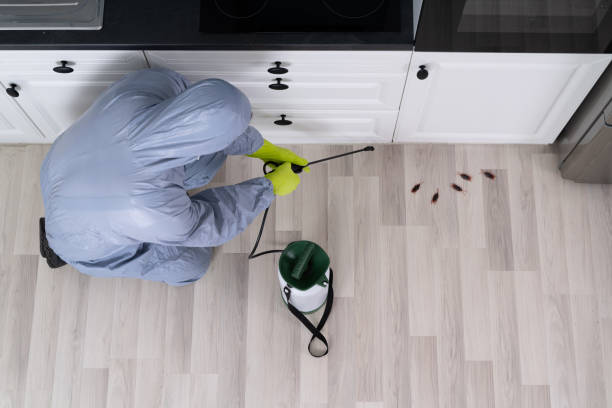
Fumigator sanitizing, cleaning and disinfection. Coronavirus pandemic professional control. Fumigator sanitizing, cleaning and disinfection. Coronavirus pandemic professional control. exterminator stock pictures, royalty-free photos & images

Pest activity may not cease immediately after a treatment as some pests are flushed out of hiding places temporarily before succumbing to pesticides.

  • Look out for dead pests near baseboards or entry points within days following treatment — this is often a sign that treatments are working effectively.
  • Report persistent live activity beyond two weeks post-treatment to your pest control provider for follow-up inspections if necessary.

Schedule Follow-Up Treatments if Recommended

  • Discuss ongoing maintenance plans such as quarterly inspections with your provider.
  • Routine treatments can help prevent re-infestations by targeting seasonal pests before they establish colonies indoors.

By taking these essential steps after a pest control service, you can ensure long-term protection while maximizing the value of professional intervention efforts against household pests.

Effective Pest Control Solutions in Vero Beach FL: Why Hiring Professionals Matters

Pest infestations can disrupt your home, pose health risks, and damage property if not handled effectively. While DIY pest control solutions might seem appealing due to lower costs, hiring a trusted professional pest exterminator offers significant advantages. Here’s why relying on experienced professionals ensures effective and long-lasting results.

Expertise and Knowledge

Professional exterminators possess extensive training and expertise in identifying, treating, and preventing pest infestations. They are well-versed in the habits, life cycles, and nesting behaviors of various pests. This allows them to tailor treatment plans specific to the pest issue in your home rather than applying generalized solutions that may be ineffective.

Key benefits include:
Accurate Identification: Professionals can quickly identify the type of infestation (e.g., termites, ants, bed bugs) and assess its severity.
Customized Treatment Plans: Instead of a one-size-fits-all approach, they develop targeted strategies suited to your specific situation.

Preventive Insights: Knowledgeable exterminators provide recommendations to prevent future infestations.

Use of Advanced Tools and Techniques

Experienced exterminators utilize advanced tools and techniques that are not typically available through over-the-counter products. These include specialized equipment for application and treatments designed for maximum effectiveness while ensuring safety for residents.

Examples of Professional Methods:

Equipment/Technique Purpose
Heat Treatment Effective against bed bugs without the use of chemicals
Foam Sprays Ideal for penetrating deep cracks where pests hide
Bait Systems Targets ants or termites at their colonies

These methods often lead to quicker results with less environmental impact when compared to traditional DIY approaches.

Long-Term Cost Efficiency

Although hiring a professional may seem expensive upfront, it is often more cost-effective in the long term. Misusing store-bought treatments can exacerbate infestations or require repeated applications, increasing expenses over time. Professionals eradicate pests efficiently at their source, reducing the likelihood of a recurrence.

  • Fewer Repeat Treatments: Proper eradication from professionals minimizes additional costs.
  • Avoids Property Damage: Controlling pests like termites early prevents structural damage that could result in costly repairs.
  • Protects Health: Mitigating health risks associated with certain pests (e.g., rodents carrying diseases) saves on medical expenses later.

Safety Considerations

Pest control treatments often involve chemicals that can be harmful if misapplied. Professionals are trained to use these substances safely while complying with local regulations. They also ensure minimal exposure for you, your family members, and pets by taking proper precautions during application.

Key safety practices include:

– Conducting pre-treatment assessments.

– Advising occupants about necessary precautions (e.g., vacating premises temporarily).

– Using eco-friendly or low-toxicity solutions when available.

Reliable Follow-Up Services

Trusted pest control companies offer follow-up services as part of their treatment plans. Post-treatment inspections help ensure complete eradication while addressing any persistent issues promptly. Some providers also offer warranties or guarantees for added peace of mind.

Common Follow-Up Benefits:

  1. Scheduled inspections after treatment.
  2. Additional applications if necessary at no extra charge during warranty periods.
  3. Guidance on maintaining a pest-free environment post-treatment.

Hiring a trusted professional exterminator ensures effective resolution of pest issues while offering superior safety measures and long-term protection for your property. Their expertise allows you to enjoy peace of mind knowing the problem has been addressed thoroughly with minimal risk of recurrence.

Tips for Handling Live Pests Immediately After a Pest Control Treatment

After a pest control treatment, it is not uncommon to encounter live pests around your home. While this might seem alarming, it’s often a natural part of the process as the treatment disrupts their habitats and forces them out into the open. Knowing how to handle these live pests safely and effectively is essential for both maintaining a pest-free environment and ensuring your safety.

Why Live Pests May Appear Post-Treatment

There are several reasons you may notice increased pest activity after treatment:

Disruption of Harborage Areas: The treatment disturbs hidden nests or colonies, causing pests to emerge.

Delayed Effects of Chemicals: Some treatments take time to work, meaning pests may still be active before succumbing.

Heightened Sensitivity: Certain pests may become more active as they react to the chemicals used during the treatment.

Understanding these causes can help you remain calm and prepared when managing live pests.

Immediate Steps to Take

  1. Do not attempt to handle or kill live pests with your bare hands.
  2. Some species can bite, sting, or carry harmful pathogens.
  3. Utilize items such as gloves, tongs, or a dustpan for safe removal.
  4. Use vacuum cleaners with HEPA filters to capture smaller insects like ants or cockroaches.
  5. Place dead pests in tightly sealed plastic bags before discarding them in an outdoor trash bin.
  6. Wash your hands thoroughly after handling any materials that came into contact with the pests.
  7. Inspect areas where you’ve seen live activity and seal any cracks or crevices that could allow reentry.
  8. Pay close attention to windows, doors, baseboards, and ventilation systems.

Common Mistakes to Avoid

Mistake Why It’s Problematic Proper Approach
Spraying additional pesticides Can interfere with professional treatments Trust the effectiveness of professional methods
Ignoring their presence May allow infestations to persist Address sightings promptly
Leaving food exposed Attracts more pests Store food in airtight containers

When To Call Your Pest Control Company

While some post-treatment pest activity is normal, there are instances when contacting your pest control provider is necessary:

– Persistent sightings beyond two weeks after treatment

– Large numbers of live insects appearing at once

– Signs of new infestation (e.g., droppings or damaged materials)

Professional exterminators will have insights into whether additional measures are needed and can recommend follow-up treatments if required.

By carefully managing any encounters with live pests following a treatment session, you contribute significantly toward maintaining long-lasting results while safeguarding your home environment.


Effective Methods of Vero Beach Pest Control Explained in Detail

Man Spraying Pesticide In Kitchen Man Spraying Pesticide Inside The Wooden Cabinet In The Kitchen exterminator stock pictures, royalty-free photos & images

Pest control is an essential practice for maintaining hygiene, protecting property, and ensuring a safe environment. While there are numerous approaches to managing pests, the three most effective methods stand out due to their proven ability to yield results. These include physical pest control, chemical pest control, and biological pest control. Below is a detailed explanation of each method.

Physical pest control involves the use of mechanical tools or strategies to remove or block pests from accessing a space. This method is particularly useful for visible and easily identifiable infestations.

Key Techniques:Traps: Devices such as rodent traps or glue boards can capture mice, rats, or insects.

Barriers: Installing mesh screens on windows and doors helps keep pests like flies and mosquitoes out.

Manual Removal: For smaller infestations (e. g., removing spider webs or wasps’ nests), physical removal can be practical.

Temperature Control: Using heat treatments to eradicate bed bugs or freezing techniques for certain pests.

Advantages Disadvantages
Eco-friendly option without chemicals Labor-intensive
Immediate results for small areas May not address root causes of infestation
Cost-effective for minor problems Limited effectiveness for widespread infestations

Chemical pest control involves using pesticides formulated to eliminate pests or disrupt their life cycle. This method is widely used due to its efficiency in handling large-scale infestations.

Common Types of Pesticides:

Insecticides: Targeting insects like ants, cockroaches, and mosquitoes.

Rodenticides: Specialized poisons designed to handle rodents.

Herbicides: Used primarily in agricultural settings to manage weed growth.

Safety Tips When Using Chemicals: –

– Always follow manufacturer instructions carefully.

– Keep pesticides away from children and pets.

– Use protective gear during application (gloves, masks).

Advantages Disadvantages
Highly effective against most pests Potential health risks if misused
Fast results in controlling infestations May harm non-target species
Variety of products tailored to specific needs Environmental concerns (soil/water contamination)

Examples of Biological Controls:

 Introducing ladybugs into gardens to feed on aphids.

– Using nematodes (microscopic worms) against soil-dwelling pests.

– Bacillus thuringiensis (Bt), a bacterium that targets caterpillars and larvae while sparing other species.

Benefits include:

1. Minimal environmental impact compared to chemical pesticides.

2. Sustainable long-term solution as it works with nature’s balance.

However, biological methods typically take longer than chemical options and may require careful monitoring.

Choosing the Right Method

Consideration Best Option
Large-scale infestation Chemical
Environmentally friendly solution Biological
Localized small outbreaks Physical

Each method has distinct advantages suited for specific scenarios. A combination of these approaches—also known as integrated pest management—is often recommended for achieving optimal results while minimizing potential drawbacks.

Top Reasons to Choose Professional Pest Control Vero Beach FL for a Safer Home

When it comes to protecting your home from pests, hiring professional pest control services offers numerous advantages. Dealing with infestations on your own can be time-consuming, ineffective, and even hazardous if not handled properly. Here are some key benefits of engaging experts for a safer and more pest-free environment.

Expertise and Knowledge

Professional pest control technicians are trained to identify different types of pests, understand their behaviors, and know the most effective methods to eliminate them. Their expertise ensures that the right strategies and treatments are used for each unique situation.

  • Accurate Identification: Properly identifying the pest is crucial to selecting the correct treatment plan. For example, treatment methods for termites differ significantly from those used for ants or rodents.
  • Understanding Pest Life Cycles: Professionals know how pests breed, where they hide, and how to disrupt their life cycles effectively.
  • Tailored Solutions: Experts design targeted plans based on the type of infestation, its severity, and environmental factors.

Safety First

Using pest control chemicals or devices without proper knowledge poses significant risks to health and safety. Professionals prioritize safe practices in every step of the process.

  • Professionals use Environmental Protection Agency (EPA)-approved products that minimize harm to humans and pets.
  • Advanced techniques reduce the need for excessive pesticide use while maintaining high efficacy.
  • Experts ensure proper application methods that avoid contamination of food or water sources in your home.

Long-Term Cost Savings

Although professional services may seem like an upfront expense, they can save homeowners money in the long run by preventing extensive property damage or recurring infestations.

Potential Damage Estimated Repair Costs How Professionals Help Prevent These Costs
Termite Damage $3,000 – $8,000+ Early detection prevents structural damage
Rodent Damage $500 – $2,500+ Sealing entry points reduces recurrence
Bed Bug Infestation $1,000 – $5,000+ Targeted treatments stop spread promptly

By addressing issues at their source rather than applying temporary fixes, professionals help avoid escalating costs over time.

Customized Prevention Plans

One major benefit of hiring professionals is their ability to provide ongoing pest management solutions tailored to your home’s needs.

  • Regular property inspections.
  • Identifying vulnerabilities such as cracks or leaks that may attract pests.
  • Offering advice on maintaining cleanliness and reducing attractants like food debris.

Peace of Mind

Knowing that skilled experts have handled your pest problem allows you to feel confident about your family’s safety and well-being. You can enjoy a healthier home environment without worrying about recurring issues or hidden dangers caused by improper treatment methods.

In essence, investing in professional pest control services not only eliminates existing problems but also protects against potential threats in a safe and efficient manner. These experts bring a combination of knowledge, tools, and preventive solutions that make them indispensable allies in creating a pest-free living space.

How to Choose the Right Exterminator Vero Beach FL for Your Pest Control Needs

Selecting the right pest control company is a crucial step in ensuring your home or business remains pest-free. With numerous service providers in the market, it’s essential to evaluate your options carefully to ensure you’re hiring a reputable and effective company. Here are some practical tips to help guide your decision-making process.

Research the Company’s Reputation

A company’s reputation speaks volumes about its quality of service.
Read online reviews: Look for feedback on platforms such as Google Reviews, Yelp, or industry-specific websites.
Seek recommendations: Ask friends, family, or neighbors if they have any experience with local pest control companies.
Check testimonials: Review customer testimonials on the company’s official website for additional insights.

Verify Licenses and Certifications

A legitimate pest control company should hold appropriate licenses and certifications that meet local regulatory requirements.
– Is the company licensed by state or national authorities?
– Are their technicians certified and trained in pest management practices?
– Do they comply with environmental regulations for pesticide use?

Quick Comparison Table: What to Look for in Certifications
Certification Type Why It Matters Example Agencies
State Licensing Ensures legal compliance Local Department of Agriculture
Chemical Safety Certifications Demonstrates knowledge of safe use EPA Certification
Industry Training Validates expertise in modern methods National Pest Management Association (NPMA)

Evaluate Their Methods and Products

Different companies may use varying approaches to handle pests.
Ask about treatment options: Do they offer physical, chemical, or biological pest control solutions?
Check product safety: Inquire whether the chemicals used are eco-friendly and safe for children and pets.
Request a detailed plan: A reliable provider should be transparent about their approach to eliminating pests from your property.

Compare Costs Without Compromising Quality

While affordability is important, cost shouldn’t be the only factor influencing your decision.
1. Obtain quotes from multiple companies to compare prices.

2. Avoid companies that provide estimates without inspecting your property.

3. Ensure there are no hidden fees beyond what was initially discussed.

Pro Tip: Be cautious of contractors offering extremely low rates—it could indicate substandard service or hidden charges.

Customer Service Matters

Responsive and professional customer service is essential when dealing with pest infestations, which often require timely action:
– Does the company respond promptly to inquiries?
– Are they willing to answer questions thoroughly and clearly?
– Do they offer follow-up services after treatments?

Ensure Warranties and Guarantees

The best pest control companies will stand by their work by providing warranties or guarantees on their services:

– Ask if they offer re-treatment at no extra charge if pests return within a specified period.

– Review terms carefully before entering into any agreement.

By following these tips when choosing a pest control provider, you can reduce stress, ensure effective results, and maintain peace of mind knowing that experts are managing your pest concerns professionally.

Exploring Effective Vero Beach Pest Removal Methods: Physical, Chemical, and Biological Approaches

Pest control is a critical aspect of maintaining a healthy and safe environment, whether in homes, workplaces, or agricultural settings. Among the various pest management strategies available, physical, chemical, and biological methods are the most commonly employed. Each method has its advantages and drawbacks. Below is a detailed exploration of their pros and cons to help you make informed decisions.

Physical Pest Control

Physical pest control involves using barriers, traps, or manual removal techniques to prevent pests from entering an area or to eliminate existing infestations.

Pros:Environmentally Friendly: No harmful chemicals are used; therefore, there’s minimal risk of pollution or harm to non-target species.

Cost-Effective for Small-Scale Infestations: Techniques like trapping are affordable for small areas.

Immediate Results: Traps or barriers can provide instant solutions by capturing or blocking pests.

Cons:Labor Intensive: Regular maintenance of traps or barriers requires time and effort.

Limited Effectiveness on Large Infestations: For widespread infestations, this method is often insufficient.

Does Not Target Pest Reproduction: While it removes pests physically present in the area, it does not address eggs or larvae.

Chemical Pest Control

Chemical pest control uses pesticides and insecticides to eliminate pests. These products can be applied as sprays, baits, or fumigants depending on the situation.

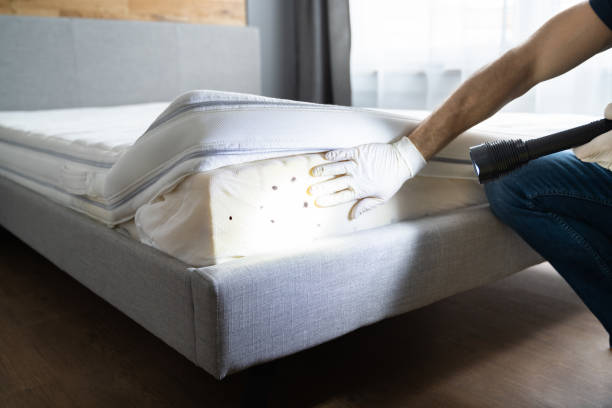
Bed Bug Infestation And Treatment Service Bed Bug Infestation And Treatment Service. Bugs Extermination exterminator stock pictures, royalty-free photos & images

Pros:Highly Effective for Severe Infestations: Chemicals can eliminate large populations quickly.

Wide Range of Applications: Suitable for different types of pests such as insects, rodents, and fungi.

Ease of Use: Modern formulations include ready-to-use options that require minimal expertise.

Cons:Environmental Impact: Many pesticides contribute to soil degradation, water contamination, and harm beneficial organisms like pollinators.

Health Risks: Improper use can lead to health issues such as respiratory problems or skin irritation.

Resistance Development: Over time, some pests may develop resistance to certain chemicals.

Biological Pest Control

Biological control involves using natural predators or parasites to manage pest populations. For instance, introducing ladybugs to combat aphids in gardens is a common example.

Pros:Eco-Friendly Solution: This method works within natural ecosystems without harming the environment.

Sustainable Over Time: Once established in an area, biological controls often maintain themselves with little human intervention.

Specificity: Targets specific pest species without affecting other organisms.

Cons:Slower Results: It may take weeks or months for natural predators to balance pest populations effectively. Complex Implementation: Introducing non-native species requires research to ensure they won’t disrupt local ecosystems. Limited Applicability for Certain Pests: Some infestations cannot be managed biologically due to a lack of suitable predators.

Comparing Key Attributes

Method Speed of Results Environmental Impact Cost Scalability
Physical Immediate Minimal Low Limited
Chemical Fast High Moderate High
Biological Slow Minimal Moderate Moderate

Each method serves specific purposes depending on the scale of infestation and environmental considerations. A well-integrated approach combining multiple methods—known as Integrated Pest Management (IPM)—is often recommended for achieving long-term effectiveness while minimizing disadvantages.

How a Pest Control Company Vero Beach Can Prevent Property Damage and Long-Term Costs

Effective pest management is essential for maintaining the structural integrity of your property and reducing expenses over time. Pests like termites, rodents, and cockroaches can cause significant damage if left unchecked, leading to costly repairs and health hazards. Below, we explore how proper pest control prevents property damage and minimizes long-term financial costs.

Common Types of Property Damage Caused by Pests

Understanding the potential harm pests can cause to your property is the first step in effective pest management.

  • Structural Damage
    Termites are notorious for weakening wooden structures by feeding on cellulose. This includes foundations, beams, and walls, potentially compromising your home’s safety.
  • Electrical Damage
    Rodents such as rats or mice are known for chewing through wires, which can lead to electrical malfunctions or even fire hazards.
  • Plumbing Issues
    Certain pests like rodents may gnaw on plumbing pipes made of PVC or other materials, causing leaks that are costly to repair.
  • Furniture and Fabric Destruction
    Moths, bed bugs, and silverfish can destroy upholstery, carpets, bedding, and other fabric-based household items.

Financial Implications of Pest Infestations

  • Repair Costs: Repairing structural weaknesses caused by termites or rodents can quickly escalate into thousands of dollars.
  • Increased Utility Bills: Damaged insulation from pests like mice or squirrels may lead to higher heating and cooling costs.
  • Medical Expenses: Exposure to pests such as cockroaches or rodents increases the likelihood of allergic reactions or diseases like salmonella.
  • Decreased Property Value: A history of pest infestations can negatively impact your home’s resale value.

How Pest Management Saves Costs Over Time

Investing in professional pest management services helps mitigate these risks effectively.

  1. Early Detection Routine inspections allow professionals to identify infestations before they escalate into serious problems.
  2. Customized Treatment Plans Professionals use tailored strategies to address specific issues without causing collateral damage to your home or environment.
  3. Preventive Measures Proactive measures like sealing entry points, installing barriers around foundations, and applying deterrents prevent future infestations.
  4. Health Protection Pest control reduces exposure to allergens and pathogens carried by insects or rodents that could otherwise lead to expensive healthcare treatments.

Tips for Long-Term Pest Prevention

  • Seal cracks around windows, doors, and foundations.
  • Store food properly in airtight containers.
  • Keep trash bins covered at all times.
  • Eliminate standing water sources that attract mosquitoes.
  • Regularly clean areas prone to crumbs or spills such as kitchens.
Problem Area Preventive Action
Cracks in foundation Use silicone caulk to seal gaps
Food storage Store in airtight containers
Standing water Remove puddles; fix leaks
Trash bins Keep lids tightly sealed

By incorporating these preventive measures alongside professional services when needed, you ensure both immediate relief from pests and protection against recurring issues—safeguarding not only your property but also your financial stability over time.

Essential Questions to Ask When Selecting a Reliable Pest Control Provider

Choosing a trustworthy pest control provider is crucial for ensuring effective and safe pest management. To make an informed decision, it’s essential to ask targeted questions that help assess the company’s expertise, reliability, and approach.

1. What Certifications and Licenses Does the Company Hold?

Licensed pest control providers demonstrate compliance with industry standards and regulations. Confirm that their technicians are certified and trained in handling pesticides safely and effectively.

2. What Methods Do You Use for Pest Management?

A reliable provider should offer transparency about their pest control methods, whether they use physical traps, chemical treatments, biological controls, or integrated pest management (IPM). Ask about the safety of these approaches for humans, pets, and the environment.

3. Can You Provide References or Customer Testimonials?

References from previous clients can offer valuable insights into the company’s reliability and service quality. Look for reviews or ask directly for testimonials from customers who had similar pest problems.

4. Are Your Products Eco-Friendly or Low-Toxicity?

For environmentally conscious homeowners or those concerned about health risks, this is an important question. Many companies now use eco-friendly or low-toxicity products that are safer for children and pets while remaining effective.

5. What Pests Do You Specialize in Treating?

Different pests require different treatment techniques. Ensure that the provider has experience dealing with the specific type of infestation you’re facing—whether it’s rodents, termites, bed bugs, cockroaches, or other pests.

Pest Type Specialized Techniques
Termites Bait systems; barrier treatments
Rodents Traps; exclusion methods
Bed Bugs Heat treatments; chemical sprays
Cockroaches Gel baits; residual sprays

6. What Is Your Pricing Structure?

Understanding costs upfront can save you from unexpected expenses later on. Request a detailed breakdown of their pricing structure and inquire if additional visits are included in their package or billed separately.

7. Do You Offer a Written Guarantee?

Reputable companies often back up their services with guarantees that ensure customer satisfaction if pests reappear within a specified period after treatment.

8. How Do You Ensure Safety During Treatment?

Safety protocols during application are critical to minimizing risks to household members and pets. Inquire about preparation steps you should take before treatment as well as post-treatment precautions.

Additional Tips for Assessing Providers

  • Check Accreditation: Look into memberships in professional organizations like the National Pest Management Association (NPMA), which can signal adherence to high standards.
  • Evaluate Responsiveness: A reliable company will provide prompt responses to inquiries and detailed explanations of their services.
  • Ask About Monitoring Plans: Some infestations require ongoing monitoring—ensure they provide follow-up services if necessary.

By asking these essential questions, you’ll be better equipped to select a pest control provider that aligns with your needs while ensuring safety, effectiveness, and peace of mind over time.

Understanding the Importance of Professional Solutions in Managing Pests

Pest management is a critical aspect of maintaining a healthy, safe, and comfortable living or working environment. While DIY pest control measures may seem like a cost-effective solution, they often fail to deliver sustainable results and can sometimes exacerbate the problem. This is where professional pest control solutions become invaluable. Below, we explore why professional intervention is essential and the benefits it offers.

Expertise and Specialized Knowledge

Professional pest control providers possess in-depth training and extensive field experience that allow them to accurately identify and effectively address pest infestations.

  • Pest biology: Knowing the life cycles, feeding habits, and behavior patterns of pests.
  • Identification: Correctly identifying not just the species but also the specific type of infestation.
  • Targeted solutions: Tailored treatments based on pest type, severity of infestation, and environmental factors.

This specialized knowledge allows professionals to implement solutions that are both effective and efficient.

Advanced Tools and Techniques

Unlike over-the-counter products or homemade remedies, professional pest control companies utilize advanced tools and equipment tailored to deal with specific infestations.

  1. Infrared cameras for detecting hidden nests or colonies.
  2. Moisture meters that help locate areas prone to pests such as termites.
  3. Industrial-grade sprayers for precise application of pesticides.
  4. Baiting systems designed for long-term extermination efforts.
  5. Heat treatments for bed bugs without harmful chemicals.
  6. Integrated Pest Management (IPM) approaches combining biological, physical, and chemical methods for sustainable results.

Long-Term Prevention Strategies

Professional services don’t just eradicate existing pests; they focus on prevention as well.

  • Sealing entry points (e. g., cracks or gaps around doors/windows).
  • Installing physical barriers like screens or mesh over vents.
  • Providing guidance on sanitation practices to reduce attractants such as food debris or standing water.

By addressing underlying causes of infestations rather than merely treating symptoms, professionals ensure long-lasting protection against future issues.

Safety First Approach

The improper application of pest control chemicals poses risks to human health as well as pets and beneficial organisms like bees or butterflies.

  • Use of eco-friendly pesticides when possible.
  • Adherence to guidelines regulating chemical applications.
  • Educating clients on post-treatment precautions.

This approach minimizes exposure while ensuring the effectiveness of their methods.

Aspect DIY Approach Professional Solutions
Knowledge Limited understanding Comprehensive expertise
Tools/Equipment Basic/low-grade Advanced/industrial grade
Long-Term Prevention Often overlooked Integral part of service
Safety Risk due to improper handling Prioritized through safe practices

Cost-Efficiency Over Time

While hiring professionals may have higher upfront costs compared to DIY methods, it often proves more economical in the long run by preventing recurring infestations or property damage caused by undetected pests (e. g., termites weakening wooden structures). The investment in a reliable service can save substantial amounts in repairs or medical bills down the road.

Hiring professional pest control services ensures peace of mind through expert intervention that delivers effective results while prioritizing safety—making it an indispensable aspect of comprehensive pest management strategies.


Uncovering the Expertise of an Exterminator Vero Beach FL: Why Pests May Go Unnoticed During Infestations

Exterminator Worker Spraying Insecticide Chemical Woman Looking At Exterminator Worker Spraying Insecticide Chemical For Termite Pest Control In House Kitchen exterminator stock pictures, royalty-free photos & images

It’s a common misconception that if you don’t see pests in your home, there’s no infestation. Many property owners rely solely on visual sightings to determine whether they have a pest problem. Unfortunately, this assumption can lead to unchecked infestations that grow worse over time. Here’s why pests can remain hidden and what homeowners need to know.

Why You May Not See Pests

  1. Pests Are Nocturnal
    Many pests, including cockroaches, rodents, and bedbugs, are most active at night when humans are asleep or less likely to notice them. This nocturnal behavior ensures they avoid detection during the day.
  2. Hidden Nesting Areas
    Pests are experts at finding secluded areas to reproduce and nest. Common hiding spots include:
  3. Wall voids
  4. Attics or basements
  5. Cracks and crevices in furniture or flooring
  6. Behind appliances such as refrigerators or stoves
  7. Small Size and Camouflage
    Some pests are tiny enough to evade detection entirely without close inspection. For example:
  8. Bedbug nymphs are almost translucent and difficult to spot with the naked eye.
  9. Certain ants blend seamlessly with household surfaces due to their coloration.
  10. Adaptive Behavior
    Over time, many pest species have adapted behaviors that help them stay undetected around humans. They may avoid well-lit areas or places with frequent activity until they feel it is safe.

Signs of an Infestation Without Direct Sightings

Sign Possible Pest Types
Droppings Rodents, cockroaches
Unusual odors Bedbugs, rodents
Damage to food packaging Mice, rats
Grease trails on walls Cockroaches
Bite marks on wood Termites

If you notice any of these signs in your home, it’s wise to consult a pest control professional for further investigation.

Why Early Detection Is Critical

  • Property Damage: Termites can silently destroy wooden structures over months or years before visible damage appears.
  • Health Risks: Cockroaches spread bacteria like Salmonella through food contamination without being seen.
  • Rapid Reproduction: Many pests reproduce quickly; missing early signs could allow populations to double within weeks.

Professional Tips for Detecting Hidden Pests

  • Regularly inspect dark corners of your home such as under sinks or inside cabinets.
  • Seal cracks around windows and doors where small insects might enter unnoticed.
  • Pay attention to unusual sounds like scratching in walls (a sign of rodent activity).

For more challenging cases where DIY inspections aren’t enough, consulting licensed professionals is often the best course of action—equipped with tools like thermal imaging cameras or moisture meters which help detect pests in concealed areas.

By understanding how easily pests hide from plain sight and recognizing telltale signs of their presence, you stand a better chance of addressing infestations before they escalate into serious problems. Prevention paired with vigilance remains key when dealing with pest control challenges effectively.

Top Insights on Vero Beach Pest Removal: Why Bedbugs Aren’t Limited to Dirty Homes

When discussing bedbug infestations, a common misconception persists that these pests are exclusive to dirty or unkempt homes. This myth has led many homeowners to believe they are immune to infestation if they maintain clean living spaces. However, the truth is far more complex, as bedbugs are not influenced by cleanliness but rather by accessibility and opportunity.

Why Cleanliness Does Not Deter Bedbugs

Bedbugs are parasitic insects that feed on the blood of humans and animals. Their primary goal is survival, and they seek out environments where they can easily find a host. Unlike cockroaches or ants, which may be drawn to food crumbs or leftover debris, bedbugs do not rely on these factors for sustenance.

  • Hitchhiking Behavior: Bedbugs are expert travelers. They often hitch rides in luggage, clothing, furniture, or other personal belongings. This means even immaculately clean homes can become infested if someone unknowingly brings them in.
  • Preference for Hosts Over Habitat: Bedbugs thrive wherever hosts (humans or pets) are present. Clean or cluttered environments make little difference as long as there is access to blood meals.
  • Ability to Hide in Small Spaces: These pests can hide in tiny cracks and crevices within furniture, walls, mattresses, or baseboards. Even a spotless home offers hiding spots for these elusive insects.

Common Sources of Bedbug Infestations

Source Explanation
Travel Hotels, airplanes, buses, and trains can harbor bedbugs that latch onto luggage or clothing.
Secondhand Furniture Used furniture such as beds, couches, and chairs may carry undetected infestations deep within fabrics or frames.
Visitors Guests who unknowingly have bedbugs on their belongings can bring them into your home.
Shared Living Spaces Apartments and dormitories enable easy movement of bedbugs between units through walls and shared hallways.

Effective Prevention Strategies

  • Inspect secondhand items before bringing them indoors.
  • Use protective covers on mattresses and box springs.
  • Vacuum regularly to remove potential eggs or stray bugs.
  • After traveling, wash clothes on high heat and inspect luggage for signs of activity.
  • Seal cracks in walls or baseboards where bedbugs may hide.

When Professional Intervention Is Necessary

If you suspect an infestation despite taking preventive measures, it’s important to act quickly. DIY solutions like sprays often fail because they don’t address the root cause or hidden nesting areas effectively.

Professional pest control services offer expertise in identifying infestations at all stages—eggs through adulthood—and use targeted treatments designed specifically for eradicating bedbug colonies.

By understanding that cleanliness does not guarantee immunity from an infestation and employing proactive steps alongside professional assistance when needed, homeowners can better protect their living spaces from these persistent pests without relying on outdated myths surrounding hygiene standards.

Debunking Myths: How a Pest Control Company in Vero Beach Tackles Rodent Issues

It is a common belief that having a pet cat is an effective way to control rodent infestations. While cats are natural hunters with an instinct to chase and catch mice, their efficacy as pest control agents is often overstated. Let’s take a closer look at this myth and examine the real role cats play in rodent management.

Why Cats Alone May Not Solve a Rodent Problem

  • Selective Hunting Behavior: Not all cats are natural hunters. Domesticated cats, particularly well-fed ones, may not have the same drive to hunt as feral cats.
  • Limited Reach: Mice and rats tend to hide in spaces like walls, attics, or crawl spaces—areas that are typically inaccessible to cats.
  • Rodents’ Adaptability: Rodents quickly learn to avoid areas where they sense a predator’s presence, meaning they may relocate rather than leave entirely.
  • Health Risks: Cats that hunt and consume rodents can expose themselves to harmful bacteria, parasites, or diseases like toxoplasmosis.

What Do Studies Say About Cats and Rodents?

Scientific research offers mixed results on how effective pet cats are at controlling rodent populations. A study published in the journal Frontiers in Ecology and Evolution (2018) found that while the presence of predators like cats can alter the behavior of rodents (e.g., making them more cautious), it doesn’t necessarily lead to population decline.

Interestingly, some studies suggest that rats—larger than mice—are less likely to be intimidated by domestic cats, further limiting their usefulness in controlling these pests.

Pros and Cons of Using Cats for Rodent Control

Pros Cons
Natural hunting instincts Not all domestic cats will actively hunt
May deter some rodents from entering homes Ineffective against hidden infestations
Can contribute to behavioral changes in rodents Health risks from consuming diseased prey
Double as companions for their owners Limited impact on reducing overall population

Alternatives for Effective Rodent Control

  • Sealing Entry Points: Inspect your home for gaps or cracks where rodents might enter and seal them with durable materials like steel wool or caulk.
  • Traps and Baits: Use humane traps or bait stations placed strategically around your property.
  • Sanitation Practices: Keep food stored in airtight containers and clean up crumbs or spills promptly.
  • Pest Control Professionals: Engage experts who use advanced techniques such as exclusion methods and environmentally safe treatments.

Understanding the Role of Cats

While it’s nice to think of our feline friends as guardians against pests, expecting them to manage an infestation entirely on their own is unrealistic. Instead of relying solely on pets for pest control, consider integrating multiple strategies—including professional services—for long-term success.

Breaking Down Myth #4: Do Ultrasonic Repellents Really Work Against Pests?

Ultrasonic pest repellents have gained popularity as a convenient and chemical-free method of keeping pests at bay. However, their effectiveness has been a topic of debate among homeowners and pest control professionals. While these devices are marketed as a safe and easy solution, scientific evidence and professional experiences suggest otherwise. Let’s break down the truth about ultrasonic repellents.

How Ultrasonic Repellents Work

  • Disturb or irritate pests like rodents, insects, and spiders.
  • Force them to leave the treated area due to discomfort.
  • Offer a non-toxic alternative to traditional pest control methods.

The idea is appealing—simply plug in the device and let it work its magic. But does it deliver on its promises?

What Scientific Studies Reveal

  • Limited Range: Sound waves weaken as they travel through walls, furniture, and other obstacles, meaning their effectiveness is confined to small areas.
  • Temporary Effects: Even when pests react initially to the soundwaves, they often adapt over time and stop being affected.
  • Variable Results by Species: Not all pests respond equally to ultrasonic frequencies. For instance:
  • Some rodents may appear distressed initially but return later.
  • Insects such as cockroaches show little or no reaction at all.
Pest Type Effectiveness of Ultrasonic Repellents
Rodents Limited; adaptation occurs quickly
Cockroaches Minimal effect
Ants Ineffective
Spiders Inconsistent results

Why Ultrasonic Repellents Often Fall Short

  1. Lack of Regulation: The manufacturing standards for ultrasonic devices vary widely, leading to inconsistent quality.
  2. Pest Behavior Adaptation: Many pests adjust their behavior after prolonged exposure to ultrasound frequencies.
  3. Misleading Marketing Claims: Advertisements often exaggerate the capabilities of these devices without offering substantial scientific backing.

Professional Recommendations on Pest Control

  • Inspection: Regularly inspect your home for signs of infestation such as droppings or damage caused by pests.
  • Seal cracks and gaps around doors, windows, and foundations.
  • Store food in airtight containers to eliminate attractants.
  • Maintain cleanliness in living spaces.
  • Targeted Treatment: Use proven methods like bait traps or eco-friendly pesticides based on your specific pest problem.

For persistent infestations that cannot be resolved with DIY measures alone, consider consulting a licensed pest control professional who can design an effective treatment plan tailored to your needs.

Final Takeaway

While ultrasonic repellents may seem like an attractive solution for deterring pests without chemicals or traps, empirical evidence consistently points toward their ineffectiveness in real-world applications. To achieve lasting results in protecting your home from unwanted invaders, rely on well-established prevention strategies and professional expertise instead of unproven quick fixes like ultrasound technology.

Debunking Myth #5: Why Clean Homes in Vero Beach Still Need Pest Control

It is a common misconception that pests are solely attracted to dirty or unkempt homes. This belief has led many homeowners to assume that maintaining a spotless living space guarantees immunity from infestations. However, the reality is far more complex. Even the cleanest homes can become a haven for pests if certain conditions exist.

Why Clean Homes Are Not Pest-Proof

  • Access to Food: Pests like ants, cockroaches, and rodents are highly resourceful and can exploit even minimal food sources, such as crumbs under appliances, pet food bowls, or spills in hidden areas.
  • Water Sources: Many pests require moisture to survive. Leaky pipes, condensation on windows, or standing water in bathrooms or kitchens can entice unwanted visitors.
  • Shelter and Warmth: Cracks in walls, gaps around doors and windows, or cluttered storage spaces provide perfect hiding spots for pests seeking shelter.

Common Types of Pests Found in Clean Homes

Pest control worker spraying pesticide on rack indoors Pest control worker spraying pesticide on rack indoors exterminator stock pictures, royalty-free photos & images

Pest Why They Invade Clean Homes Prevention Tips
Ants Forage for small food particles undetected in cracks or crevices. Seal entry points; store food in airtight containers.
Cockroaches Thrive near water sources like drains or leaky pipes. Fix plumbing issues; clean hidden damp areas regularly.
Spiders Enter through gaps seeking insects to prey on. Reduce clutter; remove webs promptly; use screens on windows and doors.
Rodents Seek warmth and shelter during colder seasons. Inspect for entry points; install weather stripping on doors; avoid leaving pet food out overnight.

How to Minimize Pest Risks in Clean Homes

  1. Seal Entry Points: Inspect your home’s exterior for cracks, holes, or gaps where pests could enter.
  2. Store Food Properly: Keep all food items sealed in containers made of glass or thick plastic.
  3. Address Moisture Issues: Repair leaks promptly and ensure proper ventilation in moisture-prone areas like bathrooms.
  4. Declutter Regularly: Avoid keeping piles of cardboard boxes or unused items where pests might nest.
  5. Inspect Regularly: Keep an eye out for early signs of pest activity such as droppings, gnaw marks, or insect carcasses.

When Professional Help May Be Needed

Despite best efforts to maintain a clean home and follow preventive measures, some infestations persist due to factors beyond your control—such as living near wooded areas or older buildings with structural vulnerabilities.

In such cases:

– A licensed pest control professional can conduct thorough inspections to identify hidden issues.

– Experts have access to specialized tools and treatments that target specific pests without endangering your family’s health.

Maintaining cleanliness is crucial but should be part of a broader pest prevention strategy that combines vigilance with proactive measures tailored to your environment’s unique risks.

Understanding Myth #6: The Challenges of DIY Pest Control and When to Call a Pro

Pest control is a critical task for maintaining a healthy and safe living environment, but the growing popularity of do-it-yourself (DIY) solutions has led many to believe they can address infestations on their own effectively. While there are certainly cases where minor pest issues can be managed without professional intervention, relying solely on DIY methods often leads to unsatisfactory results. Below, we’ll explore the challenges of DIY pest control and highlight when it’s time to seek help from a professional.

Challenges of DIY Pest Control

  1. Most homeowners lack in-depth knowledge about the biology and behavior of pests, which is crucial for effective treatment.
  2. Pests like termites or cockroaches often have hidden nesting areas that are difficult to locate without expertise.
  3. Treating visible symptoms without addressing the root cause may result in recurring infestations.
  4. Over-the-counter pest control products may not be as potent or long-lasting as professional-grade solutions.
  5. Improper use or over-application of these products can lead to resistance in pests, making them harder to eliminate later.
  6. Many pesticides require careful handling due to their toxic properties, which could pose risks if misapplied or stored improperly.
  7. Families with pets or children may inadvertently expose them to harmful substances when using DIY methods.
  8. Identifying the type of pest, researching treatment options, purchasing materials, and applying treatments can take considerable time and effort. This can be overwhelming for individuals unfamiliar with proper procedures.
  9. Inadequate treatment can allow an infestation to grow worse over time, leading to increased damage and higher costs when professionals are eventually called in.

When Should You Call a Professional?

Knowing when it’s time to call a licensed pest control expert is crucial for preventing further damage and ensuring effective management of the problem.

  • Large Infestations: If you notice significant signs like widespread droppings, structural damage (e.g., chewed wood or wiring), or large numbers of pests, a professional inspection is recommended.
  • Persistent Issues: If your DIY efforts have not resolved an issue after repeated attempts, this may indicate underlying causes that require expert attention.
  • Health Concerns: Certain pests like bedbugs, rodents, and wasps pose health risks through bites, stings, or disease transmission—situations where professional-grade interventions are safer and more efficient.
  • Structural Damage Risks: Pests such as termites and carpenter ants cause extensive damage over time if left untreated; early intervention by professionals saves money in repair costs.
  • Specialized Equipment Needs: Removing certain pests requires specialized tools (e.g., thermal imaging equipment for termite detection), which are typically unavailable through DIY approaches.

Benefits of Hiring Professionals

Feature Professional Services DIY Solutions
Expertise Experienced technicians tailor solutions Limited knowledge results in trial-and-error
Tools & Products Access to advanced equipment & pesticides Restricted by retail product availability
Long-Term Results Solutions designed for prevention & control Temporary fixes with potential recurrence
Risk Mitigation Reduces health hazards through correct usage Higher risk due to improper pesticide handling

Professionals bring not only experience but also peace of mind that your home will be treated thoroughly helping you save time while ensuring long-term protection against invasive pests.

Addressing pest problems promptly with professional help prevents small concerns from becoming major issues while protecting your home’s structural integrity and your family’s health effectively—a key consideration that DIY methods often fail to achieve comprehensively.

Why Pest Control Vero Beach FL Experts Are More Effective Than DIY Solutions

When dealing with a pest problem, many homeowners consider taking matters into their own hands by opting for do-it-yourself (DIY) solutions. While this approach may seem cost-effective and convenient at first, professional pest control services often deliver better results in the long run. Below, we explore the top reasons why professional pest control services are more effective than DIY solutions.

1. Expertise and Knowledge

  • Accurately diagnose infestations.
  • Pinpoint breeding grounds and entry points.
  • Use targeted strategies tailored to specific pests.

In contrast, DIY solutions often rely on generalized methods that may not address the root cause of an infestation.

2. Access to Advanced Tools and Products

Tool/Product Purpose
Industrial-strength pesticides More effective formulations for controlling pests
Specialized traps Designed for specific species like rodents or insects
Monitoring equipment Tracks hidden activity of pests in hard-to-see areas

DIY methods are typically limited to over-the-counter products that may lack potency or versatility.

3. Comprehensive Inspection Techniques

  • Identifying hidden nests or colonies (e.g., within walls or attics).
  • Assessing structural vulnerabilities like cracks or gaps where pests can enter.
  • Detecting early signs of potential infestations before they worsen.

DIY approaches rarely include such detailed inspections, which can result in incomplete treatment or recurring issues.

4. Long-Term Solutions Versus Surface-Level Fixes

  • Sealing entry points.
  • Eliminating attractants like standing water or food debris.
  • Implementing preventative measures for ongoing protection.

In contrast, most DIY treatments focus solely on immediate removal without preventing future infestations.

5. Safety Concerns

Improper use of pesticides and other chemicals can pose serious health risks for humans and pets alike. Professionals are trained in safe application techniques that minimize exposure while maximizing effectiveness. They also adhere to regulations regarding chemical usage and disposal.

DIY users often lack this training and could inadvertently misuse products, leading to potential hazards at home.

6. Cost Versus Value Over Time

Expense Type DIY Costs Professional Services Costs
Initial Treatment Lower ($20–$100) Higher ($100–$500 depending on severity)
Follow-Up Treatments Frequent need due to ineffective results Less frequent due to long-term efficacy
Repairs from Damage Higher risk if untreated ($500–$1,000+) Significantly reduced with prevention

Investing in professional help ultimately ensures better protection with fewer long-term costs.

Final Thoughts on Professional Pest Control Effectiveness

While DIY efforts may be appealing due to perceived convenience or affordability, they often fall short when it comes to tackling serious infestations effectively and safely. By choosing a trusted professional service provider, homeowners benefit from expert knowledge, advanced tools, tailored strategies, enhanced safety protocols—and peace of mind knowing their pest issues are resolved thoroughly.

Top Reasons Professional Pest Control Services Are More Effective Than DIY Solutions

When faced with a pest problem, many homeowners are tempted to tackle the issue themselves using DIY methods. While this might seem cost-effective upfront, professional pest control services often provide a more reliable, efficient, and long-lasting solution. Let’s explore why professional services are generally superior to DIY options.

1. Expertise and Knowledge

  • Identify the type of pest accurately.
  • Determine the source of the infestation.
  • Tailor treatment plans specific to the infestation.

DIY solutions, on the other hand, often rely on generalized approaches that may not address the root of the problem.

2. Access to Advanced Resources

Resource DIY Options Professional Services
Pesticides Over-the-counter sprays Highly concentrated formulas
Equipment Basic traps or baits Industrial-grade tools
Technology None Thermal imaging or pheromone traps

This advantage allows professionals to treat infestations more effectively while minimizing risks to humans and pets.

3. Long-Term Prevention Strategies

  • Sealing entry points.
  • Advising on structural improvements.
  • Offering regular inspections and maintenance plans.

DIY methods often focus only on visible pests without addressing underlying causes.

4. Safer Application of Treatments

  • Using eco-friendly products when possible.
  • Applying treatments in areas where human contact is minimal.
  • Ensuring compliance with local regulations for pesticide use.

In contrast, improper use of store-bought pesticides can lead to accidental exposure or environmental harm.

5. Cost Efficiency Over Time

  • Structural damage (e.g., termites destroying wood).
  • Contaminated food supplies from rodents or insects.
  • Unnecessary expenditures on ineffective over-the-counter treatments.

By stopping infestations at their source and preventing future ones, professionals reduce these additional expenses.

6. Customized Solutions for Different Pests

  1. The type of pest (e.g., ants vs cockroaches).
  2. The level of infestation (mild vs severe).
  3. Environmental factors surrounding your property.

This tailored approach ensures higher success rates compared to one-size-fits-all DIY solutions.

Professional pest control services combine expertise with advanced technology and personalized care to deliver better results than most do-it-yourself approaches could achieve alone. Before attempting a quick fix with off-the-shelf products, consider consulting an expert who can address both current problems and future risks comprehensively saving you time, effort, and money over time while ensuring peace of mind in your home or business environment.


Expert Tips and Strategies for Effective Pest Control Vero Beach FL

Pest Control Services Portrait Of Male Worker Spraying Insecticide With Sprayer At Home exterminator stock pictures, royalty-free photos & images

Pest control businesses often experience fluctuations in demand throughout the year. Slow seasons, typically during colder months when pests are less active, can pose challenges to maintaining steady revenue. However, by implementing expert strategies and innovative approaches, you can ensure your pest control business remains resilient during these periods.

Analyze Seasonal Trends

  • Review historical data on service requests.
  • Identify peak and off-peak times.
  • Focus marketing efforts around pests that are active during slower seasons.
Season Common Pests Potential Services Offered
Winter Rodents, Spiders Inspection for rodent entry points
Spring Termites, Ants Preventative treatments for termites
Summer Mosquitoes, Wasps Outdoor pest control solutions
Fall Stink Bugs, Cockroaches Home sealing services

Diversify Service Offerings

  • Preventive Maintenance Plans: Educate customers on the benefits of year-round prevention plans that include inspections and minor treatments before infestations occur.
  • Inspections & Consultations: Provide thorough property assessments during slow seasons to identify potential problem areas for future pest issues.
  • Wildlife Control: Address wildlife management concerns such as squirrels or raccoons seeking shelter indoors.

Build Customer Loyalty with Value-Added Services

  • Offer discounts or special promotions tailored for returning customers.
  • Provide educational resources like newsletters about seasonal pest threats.
  • Develop loyalty programs where customers earn points toward free inspections or discounts.

Strengthen Marketing Efforts

  1. Online Presence: Use search engine optimization (SEO) techniques to ensure your website ranks for relevant terms like “winter pest prevention.”
  2. Social Media Campaigns: Share informational content about seasonal issues such as how rodents infiltrate homes during winter months.
  3. Email Marketing: Send out timely reminders to previous clients encouraging them to schedule preventive services.

Invest in Team Training and Efficiency

  • Host training sessions on new tools or updated safety protocols.
  • Allocate time for certifications or advanced courses related to pest management techniques.

Improving internal processes now will position your business for greater success when demand picks up again.

Collaborate with Other Local Businesses

  • Engage home improvement companies that may encounter signs of infestation while working.
  • Collaborate with property managers who could refer tenants experiencing pest problems directly to you.

Fostering community relationships not only builds trust but helps create steady business opportunities year-round.

By combining these strategies—understanding trends, diversifying offerings, optimizing marketing efforts, and investing internally—you can transform traditionally slow seasons into valuable periods of growth and readiness within the pest control industry.

Mastering Seasonal Pest Trends with Expert Vero Beach Pest Control Insights

Seasonal trends play a crucial role in the pest control industry. Different pests emerge during specific times of the year, influenced by factors such as weather patterns, environmental conditions, and breeding cycles. By understanding these trends, businesses can proactively plan their operations, optimize resource allocation, and provide timely services to their customers.

Seasonal Pest Trends and Finding an Exterminator Vero Beach FL

Season Common Pests Key Drivers
Spring Ants, termites, bees Warmer temperatures promote pest activity and breeding
Summer Mosquitoes, flies, wasps Heat and humidity create ideal conditions for insects
Fall Rodents, spiders, stink bugs Cooler temperatures drive pests indoors for warmth
Winter Rodents, cockroaches Pests seek shelter indoors to escape harsh weather

Tips to Stay Ahead with Vero Beach Pest Removal

1. Monitor Local Climate Patterns

  • Track weather changes in your service area using reliable sources like local meteorological data.
  • Stay informed about unseasonal temperature shifts that may trigger early or extended pest activity patterns.

2. Leverage Historical Data

  • Review past service records to identify recurring seasonal pest problems in your community.
  • Use this data to predict demand and ensure adequate staffing and supplies during peak periods.

3. Educate Your Team

  • Train staff on recognizing emerging signs of seasonal infestations.
  • Conduct workshops or refresher training sessions at least once each season to familiarize your team with relevant techniques specific to prevalent pests.

Preparing Your Business with a Pest Control Company Vero Beach Trusts

  1. Inventory Management: Stock up on chemicals and equipment commonly required for anticipated infestations during specific seasons (e.g., rodent traps in fall).
  2. Send newsletters or reminders educating clients about potential seasonal pests they may encounter.
  3. Offer preemptive inspection services before peak periods begin.
  4. Provide discounts on preventive treatments targeted at specific pests based on the season.
  5. Introduce bundled packages tailored toward common issues (e.g., spring termite inspections combined with ant treatment).
  6. Flexibility in Workforce Management: Use temporary hires or shift employee schedules as needed during high-demand months while maintaining lean operations during downtime periods.

The Role of Technology in Tracking Trends

Modern tools like predictive analytics software can help identify patterns in real-time by analyzing environmental factors such as rainfall or temperature surges alongside customer inquiry trends.

Consider implementing technology solutions like:
– Integrated CRM tools that track customer calls related to particular pests by month.

– Automated alerts for field technicians regarding newly identified risks within specific neighborhoods.

By combining industry knowledge with a strong operational foundation rooted in seasonal insights, businesses can not only maximize revenue but also enhance customer satisfaction year-round while minimizing disruptions caused by sudden infestations or demand surges. This proactive approach builds trust with clients while improving overall operational efficiency.

Educating Customers About the Importance of Year-Round Pest Control Services

Year-round pest control is an essential service that not only protects homes and businesses from potential infestations but also ensures long-term peace of mind for customers. Many people mistakenly believe pest control is only necessary during peak infestation seasons, such as summer and spring. However, pests are active throughout the year, and educating customers about this reality can help them make informed decisions while also benefiting your business. Below are some key points to emphasize when educating your customers.

Why Pests Are a Year-Round Problem

  1. Seasonal Variations in Pest Activity
    While certain pests like ants, mosquitoes, or wasps may be more active in warmer months, others like rodents or cockroaches seek shelter indoors during colder periods. Some pests such as termites and bed bugs remain active regardless of temperature changes.
  2. Preventive Measures Are Always Necessary
    Preventative pest control services help avoid infestations before they happen. Treating early signs of activity can eliminate potential threats before they become significant problems.
  3. Health Risks and Property Damage
    Pests like mice, rats, cockroaches, and termites can cause serious health issues or structural damage if not addressed year-round.
Season Common Pests Risk Factors
Spring Ants, termites Increased breeding activity
Summer Mosquitoes, wasps Outdoor activities attract pests
Fall Rodents Seeking shelter indoors
Winter Cockroaches, rodents Protection from cold environments

Benefits of Year-Round Pest Control Plans

  • Consistent Monitoring: Detect potential infestations before they escalate.
  • Cost Savings: Preventative measures reduce the need for costly emergency treatments.
  • Peace of Mind: Customers feel secure knowing their property is protected.
  • Customized Solutions: Tailoring treatments based on seasonal risks ensures optimal results throughout the year.

Tips for Educating Customers

  1. Use infographics or charts demonstrating seasonal pest trends to visually show customers why protecting their property all year is critical.
  2. Distribute blogs, newsletters, or brochures focusing on common pests by season and how preventative care keeps them at bay.
  3. Conduct complimentary inspections to show potential problems customers may overlook and provide immediate solutions.
  4. Organize events where experts share insights on pest behavior patterns and maintenance techniques useful for homeowners.

Providing Value Through Subscription Packages

  • Monthly inspections combined with preventive treatments tailored to seasonal risks
  • Discounts on emergency services for loyal package subscribers
  • Free consultations or minor repairs included as part of the yearly agreement

By implementing these strategies effectively, you not only demonstrate expertise but also build credibility with clients who trust your ability to safeguard their properties against harmful pests all year long.

Leveraging Automation and Technology to Enhance Efficiency in Pest Control Operations

The pest control industry, like many others, is rapidly evolving with the integration of advanced technologies and automation. Leveraging these tools can not only enhance operational efficiency but also improve customer satisfaction and service quality. Below is a comprehensive guide on how pest control businesses can effectively utilize automation and technology to stay competitive.

Friendly Pest Control Worker Friendly Pest Control Worker and Happy Woman Shake Hands Outside House. exterminator stock pictures, royalty-free photos & images

The Role of Automation in Pest Control

  • Scheduling and Dispatching: Automated scheduling systems can optimize technician routes, reduce travel time while ensure timely service delivery.
  • Inventory Management: Track pesticide levels, equipment maintenance schedules, and reorder supplies automatically using inventory management tools.
  • Invoicing and Payments: Automation simplifies billing processes by generating invoices instantly and integrating seamless payment options for customers.

Technology Tools Enhancing Pest Control Operations

Technology Tool Benefits
Customer Relationship Management (CRM) Tracks customer interactions, schedules follow-ups, and manages service records efficiently.
Drones Offers a bird’s-eye view for inspecting large or hard-to-reach areas such as rooftops or farmlands.
Smart Traps Monitors pest activity in real-time by sending alerts when pests are caught or detected.
Mobile Apps Provides technicians access to digital work orders, route maps, and customer information on-the-go.

Benefits of Using Technology in Pest Control

  1. Automated systems reduce human error during critical processes such as pesticide application tracking or invoicing.
  2. Efficient use of resources minimizes waste while optimized routing decreases fuel expenses.
  3. Technologies like CRM ensure timely follow-ups and better communication with customers about their pest control needs.
  4. Internet of Things (IoT)-enabled devices allow businesses to monitor pest activity remotely for quicker response times.

Steps to Introduce Automation into Your Business

  1. Assess current pain points within your operations (e.g., scheduling delays or miscommunication with customers).
  2. Research tools tailored specifically for the pest control industry.
  3. Begin with small-scale implementation—perhaps automating appointment bookings first—before expanding further.
  4. Train employees thoroughly on how to utilize new technologies effectively.
  5. Continuously evaluate the performance of these tools based on operational metrics such as job completion time or customer feedback.

Staying Ahead with Emerging Technologies

  • Artificial intelligence (AI) may predict seasonal infestations using historical data combined with weather forecasts.
  • Augmented reality (AR) could assist technicians by overlaying step-by-step instructions during inspections.
  • Autonomous robots may eventually handle specific tasks like spraying pesticides in hazardous environments without human intervention.

Adopting these innovations early can position your business as an industry leader while improving overall service quality.

By leveraging automation and modern technology wisely, pest control businesses not only increase efficiency but also ensure scalable growth in an ever-evolving marketplace.

Leveraging Automation and Technology to Enhance Efficiency in Pest Control Operations

In today’s fast-paced world, automation and technology play a pivotal role in streamlining operations across industries, including pest control. By integrating modern tools and systems into your pest control business, you can improve efficiency, reduce operational costs, and deliver better services to your clients. Below are some key areas where technology and automation can transform your operations.

Benefits of Automation in Pest Control

  • Improved Scheduling: Automated scheduling tools ensure that technicians are assigned jobs based on location, availability, and expertise.
  • Enhanced Customer Communication: Chatbots or automated email systems can handle customer inquiries quickly and efficiently.
  • Streamlined Billing Processes: Digital invoicing saves time by automating payment reminders and processing payments securely.
  • Data Management: Centralized databases allow for easy access to client histories, service records, and pest activity reports.

Key Technologies for Pest Control Businesses

Technology Benefits Examples
Field Service Management Software Tracks technician routes for optimal efficiency Jobber, ServiceTitan
Smart Pest Monitoring Devices Detects pest activity remotely IoT-based traps & sensors
CRM Systems Enhances client relationship management Salesforce, HubSpot
Drone Technology Allows large-area inspections safely Useful for agricultural or industrial sites
GPS Tracking Optimizes fleet management Geotab

Steps to Implement Automation Successfully

  1. Identify areas of inefficiency within your current operations.
  2. Prioritize solutions that address critical challenges (e.g., scheduling delays or manual data entry).
  3. Compare software features based on cost-effectiveness and ease of integration.
  4. Opt for scalable solutions that grow with your business.
  5. Provide hands-on training sessions for employees to familiarize them with new systems.
  6. Share best practices for leveraging technology effectively during daily tasks.
  7. Regularly evaluate the impact of automation on workflow efficiency.
  8. Gather feedback from staff members about any challenges they face.

Future Trends in Pest Control Technology

  • AI-Powered Solutions: Artificial intelligence will enable predictive analytics for identifying potential infestations before they occur.
  • Sustainability-Focused Tools: Eco-friendly alternatives like solar-powered traps reduce environmental impact while maintaining effectiveness.
  • Advanced Thermal Imaging: Enhanced imaging capabilities will improve the detection of hidden pests in walls or under flooring materials.

By embracing automation and technological advancements thoughtfully, pest control businesses can achieve higher efficiency levels while creating exceptional service experiences for their customers.

Future-Proofing Your Pest Control Business with Innovative Strategies and Insights

In an ever-changing industry, ensuring the long-term success of your pest control business requires adopting innovative strategies and staying ahead of emerging trends. Future-proofing your business is not merely about keeping up with competitors but actively positioning yourself as a leader in the market. Below are actionable insights and approaches to sustain growth and resilience in the pest control industry.

Embrace Eco-Friendly Pest Control Methods

Consumers are increasingly concerned about the environmental impact of products and services. Transitioning to eco-friendly pest control techniques can help build trust with environmentally conscious customers while aligning your business with regulatory trends favoring sustainability.

Steps to implement eco-friendly practices:
– Use Integrated Pest Management (IPM) techniques that combine biological, physical, and chemical controls.
– Offer organic or non-toxic treatment options to minimize harm to non-target species and ecosystems.
– Reduce waste by using reusable equipment wherever possible.

Highlight these practices in your marketing efforts to appeal to customers prioritizing sustainable solutions.

Invest in Staff Training and Development

The skillset of your team can directly impact customer satisfaction and operational efficiency. Ensuring ongoing training equips employees with knowledge about new tools, technologies, and regulations within the pest control sector.

Key training focus areas:
– Safe application of new treatment methods or products.
– Customer service skills for better client interactions.
– Certifications for compliance with state or federal requirements.

Encouraging professional growth will not only improve service quality but also boost employee retention rates.

Adopt Cutting-Edge Technology

Leveraging technology can streamline operations, enhance customer experiences, and reduce costs over time—crucial elements for future-proofing your pest control business.

Examples of beneficial technologies:
| Technology | Benefits | |———————-|————————————————————————–| | GPS Fleet Tracking | Optimizes routes for technicians, saving fuel costs and time | | CRM Software | Improves customer relationship management by tracking service history | | Automated Sprayers | Ensures precise application of pesticides, reducing product wastage | | Drones | Allows safe inspection of hard-to-reach areas like rooftops or attics |

Incorporating such tools can set you apart from competitors who rely on outdated methods.

Build Long-Term Customer Loyalty Programs

Strong relationships with existing customers contribute significantly to sustained revenue during challenging periods such as slow seasons or economic downturns. Implement loyalty programs that incentivize repeat business while fostering trust.

Effective loyalty initiatives might include:
– Discounts on annual contracts for recurring services.

– Referral bonuses for recommending friends or family.

– Free inspections after a certain number of paid visits.

Such programs create value for customers while establishing dependable revenue streams.

Stay Ahead with Data Analytics

Data-driven decisions are key to adapting quickly in a dynamic market environment. Use analytics tools to monitor trends within your business operations as well as customer behavior patterns.

Metrics worth tracking include:
1. Seasonal demand fluctuations across various pests.

2. Conversion rates from marketing campaigns.

3. Average response times from inquiry to service completion.

4. Customer retention rates year-over-year.

By analyzing this data regularly, you’ll be better positioned to identify opportunities for improvement or expansion before your competitors do.

Diversify Revenue Streams

Potential ideas for diversification:
– Selling pest prevention products (e.g., traps, sprays) directly to consumers.

– Offering wildlife removal services alongside traditional pest control.

– Providing commercial clients customized solutions tailored specifically for their industries (e.g., food safety regulations).

This not only reduces dependency on seasonal residential calls but also establishes credibility as an all-encompassing provider within the industry.

Forward-thinking strategies like eco-conscious practices, investment in technology, staff training initiatives, data analysis tools, loyalty programs, and diverse offerings collectively strengthen a company’s resilience against market uncertainties—ensuring it thrives even amidst challenges ahead.