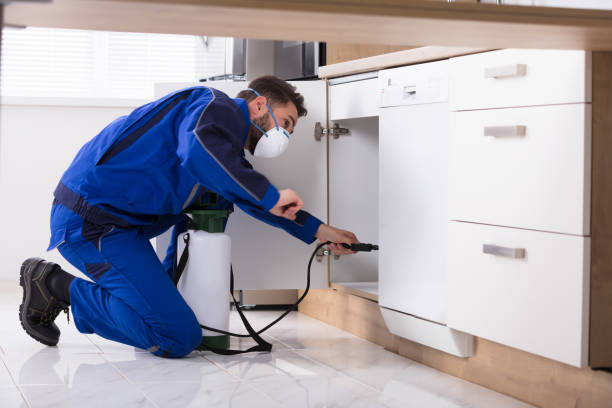
Pest control is an essential practice for maintaining hygiene, protecting property, and ensuring a safe environment. While there are numerous approaches to managing pests, the three most effective methods stand out due to their proven ability to yield results. These include physical pest control, chemical pest control, and biological pest control. Below is a detailed explanation of each method.
Physical pest control involves the use of mechanical tools or strategies to remove or block pests from accessing a space. This method is particularly useful for visible and easily identifiable infestations.
Key Techniques: – Traps: Devices such as rodent traps or glue boards can capture mice, rats, or insects.
Barriers: Installing mesh screens on windows and doors helps keep pests like flies and mosquitoes out.
Manual Removal: For smaller infestations (e. g., removing spider webs or wasps’ nests), physical removal can be practical.
Temperature Control: Using heat treatments to eradicate bed bugs or freezing techniques for certain pests.
| Advantages | Disadvantages |
| Eco-friendly option without chemicals | Labor-intensive |
| Immediate results for small areas | May not address root causes of infestation |
| Cost-effective for minor problems | Limited effectiveness for widespread infestations |
Chemical pest control involves using pesticides formulated to eliminate pests or disrupt their life cycle. This method is widely used due to its efficiency in handling large-scale infestations.
Common Types of Pesticides:
– Insecticides: Targeting insects like ants, cockroaches, and mosquitoes.
Rodenticides: Specialized poisons designed to handle rodents.
Herbicides: Used primarily in agricultural settings to manage weed growth.
Safety Tips When Using Chemicals: –
– Always follow manufacturer instructions carefully.
– Keep pesticides away from children and pets.
– Use protective gear during application (gloves, masks).
| Advantages | Disadvantages |
| Highly effective against most pests | Potential health risks if misused |
| Fast results in controlling infestations | May harm non-target species |
| Variety of products tailored to specific needs | Environmental concerns (soil/water contamination) |
Examples of Biological Controls:
– Introducing ladybugs into gardens to feed on aphids.
– Using nematodes (microscopic worms) against soil-dwelling pests.
– Bacillus thuringiensis (Bt), a bacterium that targets caterpillars and larvae while sparing other species.
Benefits include:
1. Minimal environmental impact compared to chemical pesticides.
2. Sustainable long-term solution as it works with nature’s balance.
However, biological methods typically take longer than chemical options and may require careful monitoring.
Choosing the Right Method
| Consideration | Best Option |
| Large-scale infestation | Chemical |
| Environmentally friendly solution | Biological |
| Localized small outbreaks | Physical |
Each method has distinct advantages suited for specific scenarios. A combination of these approaches—also known as integrated pest management—is often recommended for achieving optimal results while minimizing potential drawbacks.
Top Reasons to Choose Professional Pest Control Vero Beach FL for a Safer Home
When it comes to protecting your home from pests, hiring professional pest control services offers numerous advantages. Dealing with infestations on your own can be time-consuming, ineffective, and even hazardous if not handled properly. Here are some key benefits of engaging experts for a safer and more pest-free environment.
Expertise and Knowledge
Professional pest control technicians are trained to identify different types of pests, understand their behaviors, and know the most effective methods to eliminate them. Their expertise ensures that the right strategies and treatments are used for each unique situation.
- Accurate Identification: Properly identifying the pest is crucial to selecting the correct treatment plan. For example, treatment methods for termites differ significantly from those used for ants or rodents.
- Understanding Pest Life Cycles: Professionals know how pests breed, where they hide, and how to disrupt their life cycles effectively.
- Tailored Solutions: Experts design targeted plans based on the type of infestation, its severity, and environmental factors.
Safety First
Using pest control chemicals or devices without proper knowledge poses significant risks to health and safety. Professionals prioritize safe practices in every step of the process.
- Professionals use Environmental Protection Agency (EPA)-approved products that minimize harm to humans and pets.
- Advanced techniques reduce the need for excessive pesticide use while maintaining high efficacy.
- Experts ensure proper application methods that avoid contamination of food or water sources in your home.
Long-Term Cost Savings
Although professional services may seem like an upfront expense, they can save homeowners money in the long run by preventing extensive property damage or recurring infestations.
| Potential Damage | Estimated Repair Costs | How Professionals Help Prevent These Costs |
| Termite Damage | $3,000 – $8,000+ | Early detection prevents structural damage |
| Rodent Damage | $500 – $2,500+ | Sealing entry points reduces recurrence |
| Bed Bug Infestation | $1,000 – $5,000+ | Targeted treatments stop spread promptly |
By addressing issues at their source rather than applying temporary fixes, professionals help avoid escalating costs over time.
Customized Prevention Plans
One major benefit of hiring professionals is their ability to provide ongoing pest management solutions tailored to your home’s needs.
- Regular property inspections.
- Identifying vulnerabilities such as cracks or leaks that may attract pests.
- Offering advice on maintaining cleanliness and reducing attractants like food debris.
Peace of Mind
Knowing that skilled experts have handled your pest problem allows you to feel confident about your family’s safety and well-being. You can enjoy a healthier home environment without worrying about recurring issues or hidden dangers caused by improper treatment methods.
In essence, investing in professional pest control services not only eliminates existing problems but also protects against potential threats in a safe and efficient manner. These experts bring a combination of knowledge, tools, and preventive solutions that make them indispensable allies in creating a pest-free living space.
How to Choose the Right Exterminator Vero Beach FL for Your Pest Control Needs
Selecting the right pest control company is a crucial step in ensuring your home or business remains pest-free. With numerous service providers in the market, it’s essential to evaluate your options carefully to ensure you’re hiring a reputable and effective company. Here are some practical tips to help guide your decision-making process.
Research the Company’s Reputation
A company’s reputation speaks volumes about its quality of service.
– Read online reviews: Look for feedback on platforms such as Google Reviews, Yelp, or industry-specific websites.
– Seek recommendations: Ask friends, family, or neighbors if they have any experience with local pest control companies.
– Check testimonials: Review customer testimonials on the company’s official website for additional insights.
Verify Licenses and Certifications
A legitimate pest control company should hold appropriate licenses and certifications that meet local regulatory requirements.
– Is the company licensed by state or national authorities?
– Are their technicians certified and trained in pest management practices?
– Do they comply with environmental regulations for pesticide use?
Quick Comparison Table: What to Look for in Certifications
| Certification Type | Why It Matters | Example Agencies |
| State Licensing | Ensures legal compliance | Local Department of Agriculture |
| Chemical Safety Certifications | Demonstrates knowledge of safe use | EPA Certification |
| Industry Training | Validates expertise in modern methods | National Pest Management Association (NPMA) |
Evaluate Their Methods and Products
Different companies may use varying approaches to handle pests.
– Ask about treatment options: Do they offer physical, chemical, or biological pest control solutions?
– Check product safety: Inquire whether the chemicals used are eco-friendly and safe for children and pets.
– Request a detailed plan: A reliable provider should be transparent about their approach to eliminating pests from your property.
Compare Costs Without Compromising Quality
While affordability is important, cost shouldn’t be the only factor influencing your decision.
1. Obtain quotes from multiple companies to compare prices.
2. Avoid companies that provide estimates without inspecting your property.
3. Ensure there are no hidden fees beyond what was initially discussed.
Pro Tip: Be cautious of contractors offering extremely low rates—it could indicate substandard service or hidden charges.
Customer Service Matters
Responsive and professional customer service is essential when dealing with pest infestations, which often require timely action:
– Does the company respond promptly to inquiries?
– Are they willing to answer questions thoroughly and clearly?
– Do they offer follow-up services after treatments?
Ensure Warranties and Guarantees
The best pest control companies will stand by their work by providing warranties or guarantees on their services:
– Ask if they offer re-treatment at no extra charge if pests return within a specified period.
– Review terms carefully before entering into any agreement.
By following these tips when choosing a pest control provider, you can reduce stress, ensure effective results, and maintain peace of mind knowing that experts are managing your pest concerns professionally.
Exploring Effective Vero Beach Pest Removal Methods: Physical, Chemical, and Biological Approaches
Pest control is a critical aspect of maintaining a healthy and safe environment, whether in homes, workplaces, or agricultural settings. Among the various pest management strategies available, physical, chemical, and biological methods are the most commonly employed. Each method has its advantages and drawbacks. Below is a detailed exploration of their pros and cons to help you make informed decisions.
Physical Pest Control
Physical pest control involves using barriers, traps, or manual removal techniques to prevent pests from entering an area or to eliminate existing infestations.
Pros: – Environmentally Friendly: No harmful chemicals are used; therefore, there’s minimal risk of pollution or harm to non-target species.
Cost-Effective for Small-Scale Infestations: Techniques like trapping are affordable for small areas.
Immediate Results: Traps or barriers can provide instant solutions by capturing or blocking pests.
Cons: – Labor Intensive: Regular maintenance of traps or barriers requires time and effort.
Limited Effectiveness on Large Infestations: For widespread infestations, this method is often insufficient.
Does Not Target Pest Reproduction: While it removes pests physically present in the area, it does not address eggs or larvae.
Chemical Pest Control
Chemical pest control uses pesticides and insecticides to eliminate pests. These products can be applied as sprays, baits, or fumigants depending on the situation.
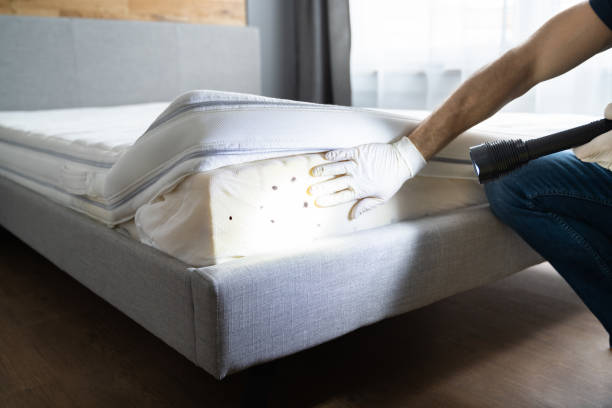
Pros: – Highly Effective for Severe Infestations: Chemicals can eliminate large populations quickly.
Wide Range of Applications: Suitable for different types of pests such as insects, rodents, and fungi.
Ease of Use: Modern formulations include ready-to-use options that require minimal expertise.
Cons: – Environmental Impact: Many pesticides contribute to soil degradation, water contamination, and harm beneficial organisms like pollinators.
Health Risks: Improper use can lead to health issues such as respiratory problems or skin irritation.
Resistance Development: Over time, some pests may develop resistance to certain chemicals.
Biological Pest Control
Biological control involves using natural predators or parasites to manage pest populations. For instance, introducing ladybugs to combat aphids in gardens is a common example.
Pros: – Eco-Friendly Solution: This method works within natural ecosystems without harming the environment.
Sustainable Over Time: Once established in an area, biological controls often maintain themselves with little human intervention.
Specificity: Targets specific pest species without affecting other organisms.
Cons: – Slower Results: It may take weeks or months for natural predators to balance pest populations effectively. Complex Implementation: Introducing non-native species requires research to ensure they won’t disrupt local ecosystems. Limited Applicability for Certain Pests: Some infestations cannot be managed biologically due to a lack of suitable predators.
Comparing Key Attributes
| Method | Speed of Results | Environmental Impact | Cost | Scalability |
| Physical | Immediate | Minimal | Low | Limited |
| Chemical | Fast | High | Moderate | High |
| Biological | Slow | Minimal | Moderate | Moderate |
Each method serves specific purposes depending on the scale of infestation and environmental considerations. A well-integrated approach combining multiple methods—known as Integrated Pest Management (IPM)—is often recommended for achieving long-term effectiveness while minimizing disadvantages.
How a Pest Control Company Vero Beach Can Prevent Property Damage and Long-Term Costs
Effective pest management is essential for maintaining the structural integrity of your property and reducing expenses over time. Pests like termites, rodents, and cockroaches can cause significant damage if left unchecked, leading to costly repairs and health hazards. Below, we explore how proper pest control prevents property damage and minimizes long-term financial costs.
Common Types of Property Damage Caused by Pests
Understanding the potential harm pests can cause to your property is the first step in effective pest management.
- Structural Damage
Termites are notorious for weakening wooden structures by feeding on cellulose. This includes foundations, beams, and walls, potentially compromising your home’s safety. - Electrical Damage
Rodents such as rats or mice are known for chewing through wires, which can lead to electrical malfunctions or even fire hazards. - Plumbing Issues
Certain pests like rodents may gnaw on plumbing pipes made of PVC or other materials, causing leaks that are costly to repair. - Furniture and Fabric Destruction
Moths, bed bugs, and silverfish can destroy upholstery, carpets, bedding, and other fabric-based household items.
Financial Implications of Pest Infestations
- Repair Costs: Repairing structural weaknesses caused by termites or rodents can quickly escalate into thousands of dollars.
- Increased Utility Bills: Damaged insulation from pests like mice or squirrels may lead to higher heating and cooling costs.
- Medical Expenses: Exposure to pests such as cockroaches or rodents increases the likelihood of allergic reactions or diseases like salmonella.
- Decreased Property Value: A history of pest infestations can negatively impact your home’s resale value.
How Pest Management Saves Costs Over Time
Investing in professional pest management services helps mitigate these risks effectively.
- Early Detection Routine inspections allow professionals to identify infestations before they escalate into serious problems.
- Customized Treatment Plans Professionals use tailored strategies to address specific issues without causing collateral damage to your home or environment.
- Preventive Measures Proactive measures like sealing entry points, installing barriers around foundations, and applying deterrents prevent future infestations.
- Health Protection Pest control reduces exposure to allergens and pathogens carried by insects or rodents that could otherwise lead to expensive healthcare treatments.
Tips for Long-Term Pest Prevention
- Seal cracks around windows, doors, and foundations.
- Store food properly in airtight containers.
- Keep trash bins covered at all times.
- Eliminate standing water sources that attract mosquitoes.
- Regularly clean areas prone to crumbs or spills such as kitchens.
| Problem Area | Preventive Action |
| Cracks in foundation | Use silicone caulk to seal gaps |
| Food storage | Store in airtight containers |
| Standing water | Remove puddles; fix leaks |
| Trash bins | Keep lids tightly sealed |
By incorporating these preventive measures alongside professional services when needed, you ensure both immediate relief from pests and protection against recurring issues—safeguarding not only your property but also your financial stability over time.
Essential Questions to Ask When Selecting a Reliable Pest Control Provider
Choosing a trustworthy pest control provider is crucial for ensuring effective and safe pest management. To make an informed decision, it’s essential to ask targeted questions that help assess the company’s expertise, reliability, and approach.
1. What Certifications and Licenses Does the Company Hold?
Licensed pest control providers demonstrate compliance with industry standards and regulations. Confirm that their technicians are certified and trained in handling pesticides safely and effectively.
2. What Methods Do You Use for Pest Management?
A reliable provider should offer transparency about their pest control methods, whether they use physical traps, chemical treatments, biological controls, or integrated pest management (IPM). Ask about the safety of these approaches for humans, pets, and the environment.
3. Can You Provide References or Customer Testimonials?
References from previous clients can offer valuable insights into the company’s reliability and service quality. Look for reviews or ask directly for testimonials from customers who had similar pest problems.
4. Are Your Products Eco-Friendly or Low-Toxicity?
For environmentally conscious homeowners or those concerned about health risks, this is an important question. Many companies now use eco-friendly or low-toxicity products that are safer for children and pets while remaining effective.
5. What Pests Do You Specialize in Treating?
Different pests require different treatment techniques. Ensure that the provider has experience dealing with the specific type of infestation you’re facing—whether it’s rodents, termites, bed bugs, cockroaches, or other pests.
| Pest Type | Specialized Techniques |
| Termites | Bait systems; barrier treatments |
| Rodents | Traps; exclusion methods |
| Bed Bugs | Heat treatments; chemical sprays |
| Cockroaches | Gel baits; residual sprays |
6. What Is Your Pricing Structure?
Understanding costs upfront can save you from unexpected expenses later on. Request a detailed breakdown of their pricing structure and inquire if additional visits are included in their package or billed separately.
7. Do You Offer a Written Guarantee?
Reputable companies often back up their services with guarantees that ensure customer satisfaction if pests reappear within a specified period after treatment.
8. How Do You Ensure Safety During Treatment?
Safety protocols during application are critical to minimizing risks to household members and pets. Inquire about preparation steps you should take before treatment as well as post-treatment precautions.
Additional Tips for Assessing Providers
- Check Accreditation: Look into memberships in professional organizations like the National Pest Management Association (NPMA), which can signal adherence to high standards.
- Evaluate Responsiveness: A reliable company will provide prompt responses to inquiries and detailed explanations of their services.
- Ask About Monitoring Plans: Some infestations require ongoing monitoring—ensure they provide follow-up services if necessary.
By asking these essential questions, you’ll be better equipped to select a pest control provider that aligns with your needs while ensuring safety, effectiveness, and peace of mind over time.
Understanding the Importance of Professional Solutions in Managing Pests
Pest management is a critical aspect of maintaining a healthy, safe, and comfortable living or working environment. While DIY pest control measures may seem like a cost-effective solution, they often fail to deliver sustainable results and can sometimes exacerbate the problem. This is where professional pest control solutions become invaluable. Below, we explore why professional intervention is essential and the benefits it offers.
Expertise and Specialized Knowledge
Professional pest control providers possess in-depth training and extensive field experience that allow them to accurately identify and effectively address pest infestations.
- Pest biology: Knowing the life cycles, feeding habits, and behavior patterns of pests.
- Identification: Correctly identifying not just the species but also the specific type of infestation.
- Targeted solutions: Tailored treatments based on pest type, severity of infestation, and environmental factors.
This specialized knowledge allows professionals to implement solutions that are both effective and efficient.
Advanced Tools and Techniques
Unlike over-the-counter products or homemade remedies, professional pest control companies utilize advanced tools and equipment tailored to deal with specific infestations.
- Infrared cameras for detecting hidden nests or colonies.
- Moisture meters that help locate areas prone to pests such as termites.
- Industrial-grade sprayers for precise application of pesticides.
- Baiting systems designed for long-term extermination efforts.
- Heat treatments for bed bugs without harmful chemicals.
- Integrated Pest Management (IPM) approaches combining biological, physical, and chemical methods for sustainable results.
Long-Term Prevention Strategies
Professional services don’t just eradicate existing pests; they focus on prevention as well.
- Sealing entry points (e. g., cracks or gaps around doors/windows).
- Installing physical barriers like screens or mesh over vents.
- Providing guidance on sanitation practices to reduce attractants such as food debris or standing water.
By addressing underlying causes of infestations rather than merely treating symptoms, professionals ensure long-lasting protection against future issues.
Safety First Approach
The improper application of pest control chemicals poses risks to human health as well as pets and beneficial organisms like bees or butterflies.
- Use of eco-friendly pesticides when possible.
- Adherence to guidelines regulating chemical applications.
- Educating clients on post-treatment precautions.
This approach minimizes exposure while ensuring the effectiveness of their methods.
| Aspect | DIY Approach | Professional Solutions |
| Knowledge | Limited understanding | Comprehensive expertise |
| Tools/Equipment | Basic/low-grade | Advanced/industrial grade |
| Long-Term Prevention | Often overlooked | Integral part of service |
| Safety | Risk due to improper handling | Prioritized through safe practices |
Cost-Efficiency Over Time
While hiring professionals may have higher upfront costs compared to DIY methods, it often proves more economical in the long run by preventing recurring infestations or property damage caused by undetected pests (e. g., termites weakening wooden structures). The investment in a reliable service can save substantial amounts in repairs or medical bills down the road.
Hiring professional pest control services ensures peace of mind through expert intervention that delivers effective results while prioritizing safety—making it an indispensable aspect of comprehensive pest management strategies.
- How Long Should You Stay Out of the House After an Exterminator Vero Beach FL Treatment
- Effective Methods of Vero Beach Pest Control Explained in Detail
- Uncovering the Expertise of an Exterminator Vero Beach FL: Why Pests May Go Unnoticed During Infestations
- Expert Tips and Strategies for Effective Pest Control Vero Beach FL
- How to Prepare Your Home for an Exterminator Vero Beach FL Pest Control Treatment
- How Weather Impacts Vero Beach Pest Control and Pest Behavior