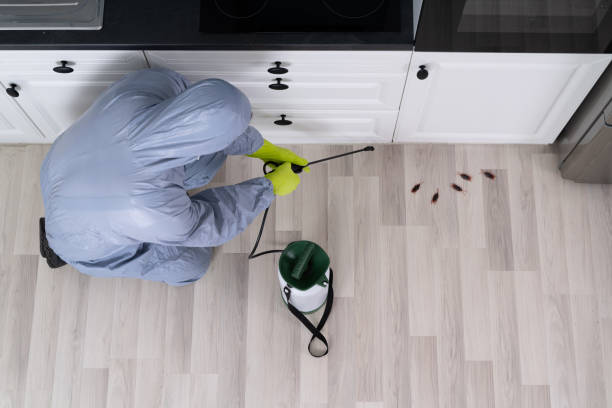
After a pest control treatment, ensuring the safety of your household is paramount. One critical question many homeowners ask is how long they should wait before re-entering their home. While the specific time frame can vary depending on the type of treatment used, it is essential to follow professional recommendations to protect both human health and pets.
General Guidelines Based on Treatment Types
| Pest Control Method | Recommended Waiting Time |
| Spray Treatments (e.g., insecticides) | 2-4 hours |
| Fumigation (e.g., tenting for termites) | 24-72 hours |
| Gel Bait Application | Can return immediately after drying |
| Organic or Natural Treatments | Minimal waiting time, typically 30 minutes to an hour |
Factors Influencing Waiting Time
- Chemicals Used: Some chemicals are more toxic than others and require extended ventilation periods. Always check labels or consult your pest control provider for specifics.
- Ventilation Requirements: Homes with poor ventilation may need longer periods for airborne pesticides to dissipate safely.
- Presence of Children and Pets: Young children and pets are more sensitive to chemical residues, so erring on the side of caution is advisable when they are involved.
Why It’s Important to Wait
- Respiratory irritation from inhaling chemical fumes
- Allergic reactions or skin irritation from contact with treated surfaces
- Increased exposure risks for pets, particularly those who groom themselves frequently
Steps to Safely Re-enter Your Home
- Confirm With Professionals: Ask your exterminator about specific timelines based on the products used.
- Ventilate Thoroughly: Open all windows and doors once you return home to allow fresh air circulation.
- Clean High-contact Surfaces (If Necessary): Wipe down countertops, tables, or other areas prone to frequent touch but avoid cleaning treated surfaces unless advised otherwise.
- Inspect Pets’ Areas: Check pet beds or feeding zones for any residual chemicals and clean as needed.
By following these precautions and adhering to professional advice, you can maintain a safe environment while enjoying the benefits of effective pest control treatments.
Tips for Preparing Your Home for Vero Beach Pest Control Treatment
Deciding whether to leave your home during a pest control treatment depends on several factors, including the type of pest being addressed, the chemicals or methods being used, and your specific circumstances. Understanding the reasons behind this recommendation can help protect your health and ensure maximum effectiveness of the treatment.
Top Reasons to Consider Vero Beach Pest Removal
- Exposure to Chemicals: Many pest control treatments involve the use of pesticides or insecticides that, while safe when used properly, can pose health risks if inhaled or ingested in large amounts.
- Allergy Risks: People with allergies, asthma, or other respiratory conditions may be more sensitive to chemicals used in pest control treatments.
- Safety for Pets and Children: Young children and pets are more susceptible to the harmful effects of pesticides due to their smaller size and tendency to crawl on treated surfaces.
- Time for Drying and Settling: Certain liquid sprays or foggers require time to settle or dry before it’s safe for re-entry. This ensures that you do not come into contact with wet residues.
How Long You May Need to Stay Away After Hiring a Pest Control Company Vero Beach
| Pest Control Method | Time Away Recommended |
| Sprays (Insecticides) | 2–4 hours |
| Foggers (Fumigation) | 24–48 hours |
| Baits/Gels | Usually no need to leave |
| Heat Treatments | Return only after equipment is removed |
Always follow the specific guidelines provided by your pest control company: https://verobeachpestcontrol.net/
Benefits of Leaving During Treatment
- Reduced Risk of Exposure: Avoiding exposure ensures that harmful substances do not affect your health or well-being.
- Enhanced Efficiency: Pest professionals can work more effectively without occupants disrupting their process.
- Prevention of Interference: Staying away prevents accidental contamination from walking through treated areas too soon.
Exceptions When You May Not Need to Leave
In some cases, you may not need to vacate your home:
– If treatments involve non-toxic solutions such as organic pesticides or traps.
– In situations where localized treatments are used (e.g., bait stations for ants or cockroaches).
However, even in these cases, precautions should still be taken.
For example:
– Keep children and pets away from treated areas until deemed safe by professionals.
– Ventilate rooms thoroughly if any chemical odors linger.
Tips for Returning Home After Treatment
Once you return post-treatment, take these steps:
1. Open windows to ventilate any remaining odors or fumes.
2. Wipe down surfaces where food preparation takes place unless instructed otherwise by professionals.
3. Wash bedding if bedrooms were part of treated areas.
By understanding why leaving during certain treatments is necessary—and following professional advice—you can safeguard both your household’s safety and the effectiveness of pest control efforts.
Essential Steps to Take After a Pest Control Treatment for Long-Term Effectiveness
Pest control treatments are a crucial step in ensuring a pest-free home. However, maintaining the effectiveness of the treatment requires proactive measures. By following essential post-treatment steps, you can extend the protection provided by pest control services and safeguard your home from future infestations.
Allow Sufficient Time Before Re-Entering Treated Areas
- Spray Treatments: Wait 2–4 hours before entering treated areas.
- Fogging or Fumigation: Leave the house for 24–72 hours, depending on the instructions provided by the exterminator.
- Bait Stations: These require no downtime but avoid tampering with bait placements for maximum efficacy.
Consult with your pest control provider for specific timeframes tailored to your treatment type and product used.
Clean Strategically Without Compromising Treatment
Cleaning after a pest control treatment must be done carefully. Over-cleaning too soon can reduce the effectiveness of residual pesticides or baits left in place to target pests over time.
- Surfaces like countertops and tables that come into direct contact with food.
- Areas frequently touched by children or pets.
- Mop floors lightly if instructed by professionals.
- Baseboards, corners, and other areas treated with spray pesticides.
- Bait stations or gel applications — these need time to attract pests.
Wait at least one week before deep cleaning areas treated directly unless otherwise advised.
| Area | When to Clean | Special Notes |
| Food Preparation Areas | Within 24 Hours | Use mild soap & water |
| Floors | After ~7 Days | Avoid harsh chemicals near treated edges |
| Baseboards | Wait Two Weeks | Ensure sprays remain undisturbed |
Seal Entry Points and Eliminate Attractants
Taking measures to prevent pests from returning is critical after professional treatments.
- Look for cracks and gaps around windows, doors, pipes, and utility lines.
- Use caulk or weather stripping as needed.
- Store food in airtight containers.
- Dispose of trash regularly using sealed trash bins.
- Vacuum carpets frequently if pests like fleas or bed bugs were targeted during treatment.
- Fix leaks under sinks or around plumbing fixtures.
- Reduce humidity with dehumidifiers in problem areas like basements.
Monitor Activity Post-Treatment
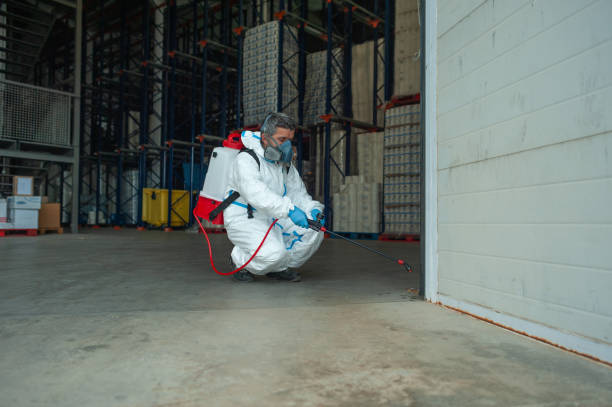
Pest activity may not cease immediately after a treatment as some pests are flushed out of hiding places temporarily before succumbing to pesticides.
- Look out for dead pests near baseboards or entry points within days following treatment — this is often a sign that treatments are working effectively.
- Report persistent live activity beyond two weeks post-treatment to your pest control provider for follow-up inspections if necessary.
Schedule Follow-Up Treatments if Recommended
- Discuss ongoing maintenance plans such as quarterly inspections with your provider.
- Routine treatments can help prevent re-infestations by targeting seasonal pests before they establish colonies indoors.
By taking these essential steps after a pest control service, you can ensure long-term protection while maximizing the value of professional intervention efforts against household pests.
Effective Pest Control Solutions in Vero Beach FL: Why Hiring Professionals Matters
Pest infestations can disrupt your home, pose health risks, and damage property if not handled effectively. While DIY pest control solutions might seem appealing due to lower costs, hiring a trusted professional pest exterminator offers significant advantages. Here’s why relying on experienced professionals ensures effective and long-lasting results.
Expertise and Knowledge
Professional exterminators possess extensive training and expertise in identifying, treating, and preventing pest infestations. They are well-versed in the habits, life cycles, and nesting behaviors of various pests. This allows them to tailor treatment plans specific to the pest issue in your home rather than applying generalized solutions that may be ineffective.
Key benefits include:
– Accurate Identification: Professionals can quickly identify the type of infestation (e.g., termites, ants, bed bugs) and assess its severity.
– Customized Treatment Plans: Instead of a one-size-fits-all approach, they develop targeted strategies suited to your specific situation.
– Preventive Insights: Knowledgeable exterminators provide recommendations to prevent future infestations.
Use of Advanced Tools and Techniques
Experienced exterminators utilize advanced tools and techniques that are not typically available through over-the-counter products. These include specialized equipment for application and treatments designed for maximum effectiveness while ensuring safety for residents.
Examples of Professional Methods:
| Equipment/Technique | Purpose |
| Heat Treatment | Effective against bed bugs without the use of chemicals |
| Foam Sprays | Ideal for penetrating deep cracks where pests hide |
| Bait Systems | Targets ants or termites at their colonies |
These methods often lead to quicker results with less environmental impact when compared to traditional DIY approaches.
Long-Term Cost Efficiency
Although hiring a professional may seem expensive upfront, it is often more cost-effective in the long term. Misusing store-bought treatments can exacerbate infestations or require repeated applications, increasing expenses over time. Professionals eradicate pests efficiently at their source, reducing the likelihood of a recurrence.
- Fewer Repeat Treatments: Proper eradication from professionals minimizes additional costs.
- Avoids Property Damage: Controlling pests like termites early prevents structural damage that could result in costly repairs.
- Protects Health: Mitigating health risks associated with certain pests (e.g., rodents carrying diseases) saves on medical expenses later.
Safety Considerations
Pest control treatments often involve chemicals that can be harmful if misapplied. Professionals are trained to use these substances safely while complying with local regulations. They also ensure minimal exposure for you, your family members, and pets by taking proper precautions during application.
Key safety practices include:
– Conducting pre-treatment assessments.
– Advising occupants about necessary precautions (e.g., vacating premises temporarily).
– Using eco-friendly or low-toxicity solutions when available.
Reliable Follow-Up Services
Trusted pest control companies offer follow-up services as part of their treatment plans. Post-treatment inspections help ensure complete eradication while addressing any persistent issues promptly. Some providers also offer warranties or guarantees for added peace of mind.
Common Follow-Up Benefits:
- Scheduled inspections after treatment.
- Additional applications if necessary at no extra charge during warranty periods.
- Guidance on maintaining a pest-free environment post-treatment.
Hiring a trusted professional exterminator ensures effective resolution of pest issues while offering superior safety measures and long-term protection for your property. Their expertise allows you to enjoy peace of mind knowing the problem has been addressed thoroughly with minimal risk of recurrence.
Tips for Handling Live Pests Immediately After a Pest Control Treatment
After a pest control treatment, it is not uncommon to encounter live pests around your home. While this might seem alarming, it’s often a natural part of the process as the treatment disrupts their habitats and forces them out into the open. Knowing how to handle these live pests safely and effectively is essential for both maintaining a pest-free environment and ensuring your safety.
Why Live Pests May Appear Post-Treatment
There are several reasons you may notice increased pest activity after treatment:
– Disruption of Harborage Areas: The treatment disturbs hidden nests or colonies, causing pests to emerge.
– Delayed Effects of Chemicals: Some treatments take time to work, meaning pests may still be active before succumbing.
– Heightened Sensitivity: Certain pests may become more active as they react to the chemicals used during the treatment.
Understanding these causes can help you remain calm and prepared when managing live pests.
Immediate Steps to Take
- Do not attempt to handle or kill live pests with your bare hands.
- Some species can bite, sting, or carry harmful pathogens.
- Utilize items such as gloves, tongs, or a dustpan for safe removal.
- Use vacuum cleaners with HEPA filters to capture smaller insects like ants or cockroaches.
- Place dead pests in tightly sealed plastic bags before discarding them in an outdoor trash bin.
- Wash your hands thoroughly after handling any materials that came into contact with the pests.
- Inspect areas where you’ve seen live activity and seal any cracks or crevices that could allow reentry.
- Pay close attention to windows, doors, baseboards, and ventilation systems.
Common Mistakes to Avoid
| Mistake | Why It’s Problematic | Proper Approach |
| Spraying additional pesticides | Can interfere with professional treatments | Trust the effectiveness of professional methods |
| Ignoring their presence | May allow infestations to persist | Address sightings promptly |
| Leaving food exposed | Attracts more pests | Store food in airtight containers |
When To Call Your Pest Control Company
While some post-treatment pest activity is normal, there are instances when contacting your pest control provider is necessary:
– Persistent sightings beyond two weeks after treatment
– Large numbers of live insects appearing at once
– Signs of new infestation (e.g., droppings or damaged materials)
Professional exterminators will have insights into whether additional measures are needed and can recommend follow-up treatments if required.
By carefully managing any encounters with live pests following a treatment session, you contribute significantly toward maintaining long-lasting results while safeguarding your home environment.
- How Long Should You Stay Out of the House After an Exterminator Vero Beach FL Treatment
- Effective Methods of Vero Beach Pest Control Explained in Detail
- Uncovering the Expertise of an Exterminator Vero Beach FL: Why Pests May Go Unnoticed During Infestations
- Expert Tips and Strategies for Effective Pest Control Vero Beach FL
- How to Prepare Your Home for an Exterminator Vero Beach FL Pest Control Treatment
- How Weather Impacts Vero Beach Pest Control and Pest Behavior